Understanding Tylosin Tartrate in China's Top Pharmaceutical Trends?
Tylosin Tartrate is gaining attention in China's evolving pharmaceutical landscape. This antibiotic, derived from natural sources, plays a crucial role in veterinary medicine. Its formulation aids in treating respiratory and gastrointestinal infections in livestock.
With the rise of antibiotic resistance, Tylosin Tartrate's role becomes more significant. While effective, its use necessitates careful consideration and responsible management. Over-reliance could lead to diminished efficacy and public health concerns.
Understanding Tylosin Tartrate involves recognizing its benefits and limitations. Manufacturers must balance innovation with safety. As the industry adapts, ongoing research will shed light on its future role. The dialogue is essential for developing reliable practices and ensuring positive outcomes in animal health.
Understanding the Role of Tylosin Tartrate in Animal Health and Medicine
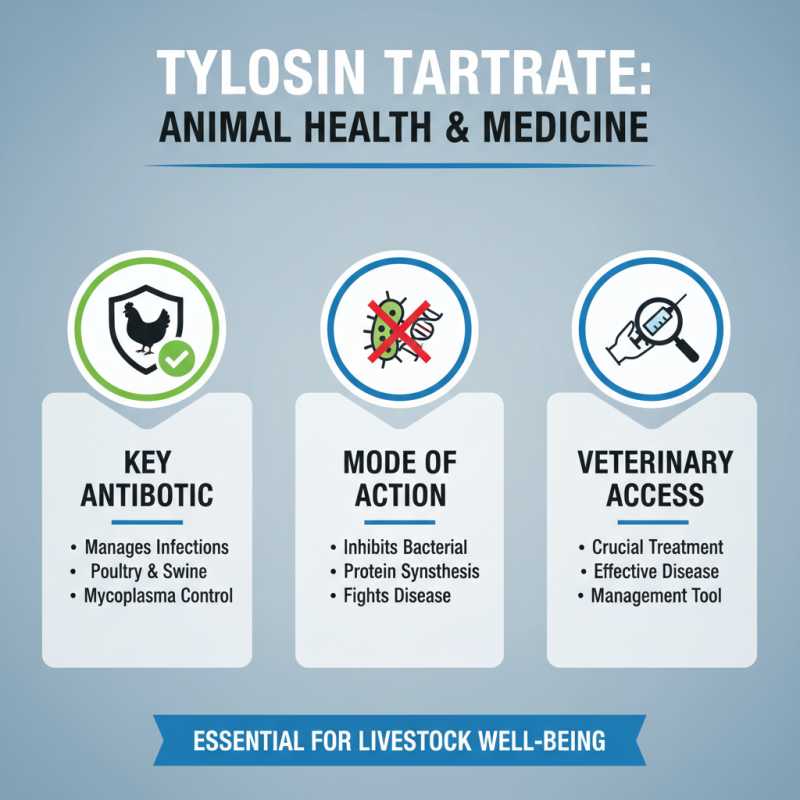
Tylosin tartrate is an important antibiotic used in animal health. It influences the management of various infections in livestock, particularly in poultry and swine. By inhibiting bacterial protein synthesis, it helps control diseases like Mycoplasma infections. This accessibility is crucial for veterinarians seeking effective treatments.
In recent years, however, concerns about antibiotic resistance have grown. The overuse of antibiotics, including tylosin, risks diminishing their effectiveness. As a result, veterinary practitioners are increasingly evaluating the necessity of tylosin in treatment plans. This reflection could lead to alternative solutions and better management of animal health.
Moreover, the regulatory landscape surrounding antibiotic use in animal farming is evolving. Authorities are tightening guidelines to prevent misuse. These changes challenge veterinarians and farmers alike to adapt. Balancing animal welfare, economic viability, and public health safety is an ongoing task. It reflects a need for continuous education and responsible stewardship in the pharmaceutical industry.
Market Dynamics: Tylosin Tartrate Demand and Supply in China
Tylosin tartrate is gaining traction in China's pharmaceutical landscape. This growth is driven by rising demand in veterinary medicine, particularly for livestock. According to recent reports, the market's size is projected to exceed $200 million by 2025. This reflects a compound annual growth rate (CAGR) of approximately 6.3% through the forecast period.
Supply chain dynamics in China are complex. Tylosin tartrate's production relies heavily on local raw materials and manufacturing capabilities. However, fluctuating prices and regulatory changes impact supply stability. Some manufacturers are facing challenges meeting the increasing demand while maintaining quality standards. This disparity highlights potential vulnerabilities in the market.
Moreover, consumer awareness of antibiotic resistance is altering the demand landscape. Veterinarians and farmers are adapting their practices in line with new regulations. Ensuring effective use of Tylosin cannot be overstated. It is essential to balance therapeutic benefits with responsible usage. As the market evolves, stakeholders must remain vigilant about compliance and sustainability practices.
Regulatory Framework Affecting Tylosin Tartrate Production in China
The regulatory framework surrounding Tylosin Tartrate production in China is evolving. This reflects the nation’s commitment to enhancing drug quality and safety. New regulations demand rigorous testing and thorough documentation throughout the production process. Manufacturers are required to comply with stringent guidelines from the National Medical Products Administration (NMPA). This ensures that Tylosin Tartrate meets international standards.
Compliance is a significant concern for many producers. Some local manufacturers struggle with the complexity of new rules. They face challenges in upgrading facilities and training staff to meet compliance standards. This can lead to delays and increased costs. In contrast, companies that prioritize quality often see improved trust from healthcare professionals. These companies invest in state-of-the-art technology and training. This underscores the importance of adapting to regulatory changes.
The impact of these regulations is profound. Improved standards can lead to better patient outcomes. However, there are concerns about the pace of regulatory changes and their feasibility for smaller producers. Balancing compliance with accessibility remains a critical challenge. The evolving landscape of Tylosin Tartrate production may shape the future of pharmaceutical practices in China.
Comparative Analysis of Tylosin Tartrate and Other Antibiotics in Veterinary Use
Tylosin tartrate is gaining traction in veterinary medicine, especially in China.
This antibiotic is commonly used to treat respiratory infections in livestock.
Its effectiveness can be compared to other antibiotics, such as oxytetracycline and penicillin.
Each antibiotic has its strengths and weaknesses.
Tylosin offers benefits like reduced resistance development and broad-spectrum activity.
However, its use may lead to issues of antibiotic resistance in the long term.
Concerns about residues in animal products also arise.
This means careful monitoring of administration is crucial.
Veterinarians often weigh the pros and cons of each antibiotic.
While tylosin may be effective, doctors need to be cautious.
The trade-offs between effectiveness and resistance can shape future antibiotic use.
Ensuring animal health must be balanced with public health.
Larger studies are needed to better understand these dynamics.
Future Trends: Innovations and Research in Tylosin Tartrate Applications
Tylosin Tartrate is gaining attention in China's pharmaceutical industry. Recent research highlights its potential in veterinary medicine and agricultural applications. According to a report by the China Animal Health Association, the demand for Tylosin Tartrate in livestock health is increasing significantly. Its ability to combat bacterial infections makes it a vital product in animal husbandry.
Innovations in Tylosin Tartrate formulations are noteworthy. The focus is shifting towards enhancing bioavailability and reducing resistance. Researchers at leading pharmaceutical institutes are exploring combination therapies. This could improve effectiveness while addressing concerns about antibiotic resistance. A study published in the *Journal of Antimicrobial Chemotherapy* emphasized the importance of diversified application methods. However, challenges persist in balancing efficacy and safety, especially concerning long-term usage.
The market trend also reflects a growing interest in alternative applications of Tylosin Tartrate. Beyond veterinary use, studies are investigating its role in human medicine. This research area shows promise, but ethical considerations must be addressed. Achieving regulatory approval for new applications is complex. Continuous dialogue among scientists, regulators, and pharmaceutical companies is essential to navigate these challenges effectively.