Top 5 Benefits of Phytic Acid for Your Skin: Nature's Best Antioxidant
Phytic Acid, a naturally occurring compound found in seeds, grains, and legumes, has gained significant attention in the skincare industry for its impressive antioxidant properties. As consumers increasingly seek clean and effective ingredients in their beauty routines, recent reports indicate that the global market for natural skincare products is projected to exceed $25 billion by 2025. This growth is largely driven by the rising demand for ingredients that offer not only nourishment but also protection against environmental stressors.
Research highlights that Phytic Acid is more than just a natural exfoliant; it plays a crucial role in neutralizing free radicals, which are known to accelerate skin aging and contribute to various skin issues such as hyperpigmentation and uneven texture. According to a study published in the Journal of Cosmetic Dermatology, Phytic Acid demonstrates remarkable efficacy in reducing oxidative stress, offering a multifaceted approach to skincare. As the industry pivots towards embracing antioxidants, Phytic Acid stands out as a promising ingredient that combines safety, efficacy, and sustainability, providing numerous benefits for maintaining youthful, radiant skin.
Unlocking Radiance: How Phytic Acid Can Enhance Your Skin's Glow
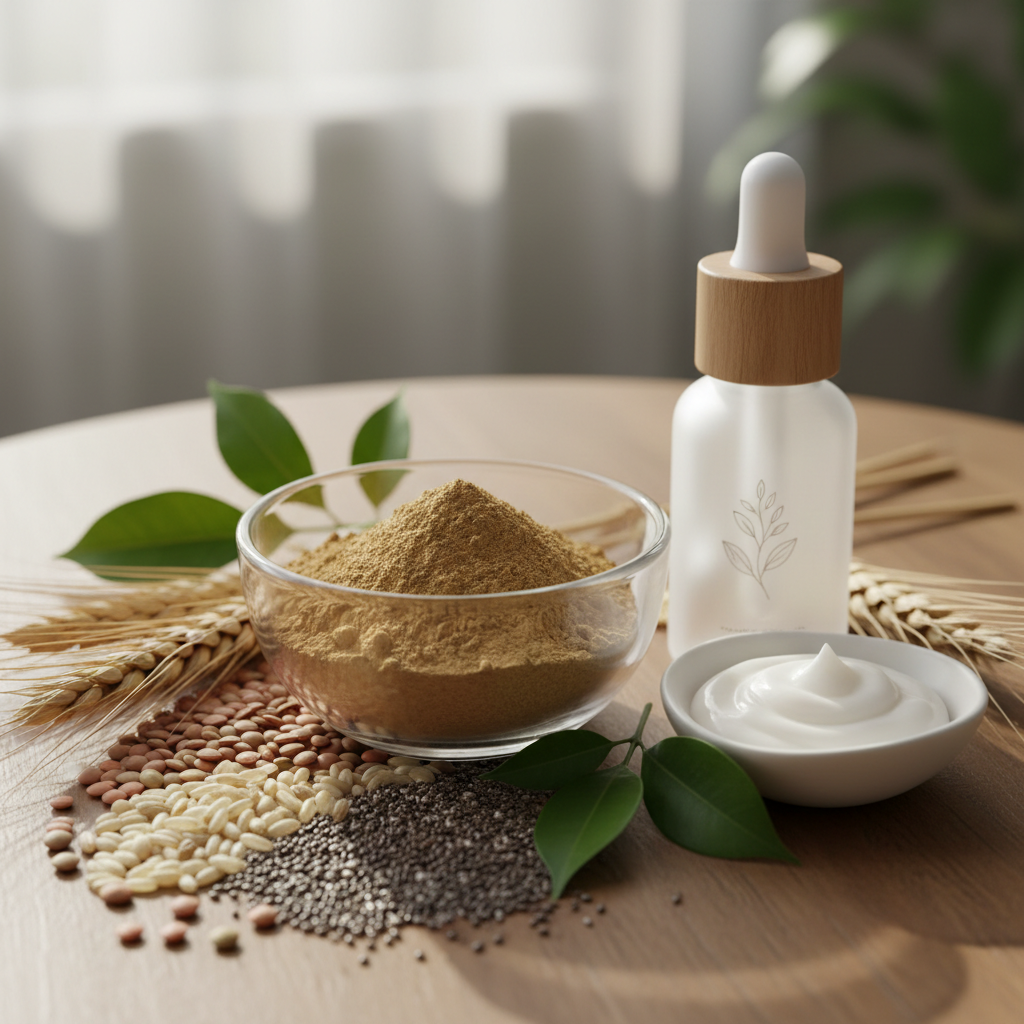
Phytic acid, often overlooked in skincare, is emerging as a powerhouse ingredient for enhancing your skin's glow. As a natural antioxidant found in grains and legumes, it effectively combats oxidative stress caused by free radicals. According to a 2022 study published in the Journal of Dermatological Science, phytic acid can significantly improve skin texture and brightness while providing anti-aging benefits. Its unique ability to chelate metal ions also helps prevent skin dullness, making it a fantastic addition to any skincare regime aimed at achieving radiance.
Incorporating phytic acid into your daily skincare routine is simple and can yield remarkable results. Consider using products that contain phytic acid in a serum or toner form, as these often allow for better absorption. For those with sensitive skin, it’s advisable to start with products containing lower concentrations of phytic acid to gauge tolerance.
Tips: Always pair phytic acid with a broad-spectrum sunscreen during the day, as it can enhance your skin's sensitivity to the sun. Additionally, combining phytic acid with vitamin C can amplify its effects, delivering even more vibrancy and protection to your skin. To maintain optimal results, use hydrating moisturizers that complement phytic acid’s exfoliating properties, ensuring your skin remains nourished and luminous.
Combatting Aging: The Anti-Aging Properties of Phytic Acid for Youthful Skin
Phytic acid, often heralded as a powerhouse in skincare, possesses remarkable anti-aging properties that can significantly contribute to youthful skin. As a natural antioxidant, it helps neutralize free radicals that cause premature aging, ensuring your skin remains vibrant and healthy. This organic compound not only aids in retaining moisture but also improves skin texture, making it look smoother and firmer.
Incorporating phytic acid into your skincare routine can be transformative. When selecting products, look for serums or creams that list phytic acid among the top ingredients. To maximize its benefits, consider layering it with a vitamin C serum, as these two ingredients work synergistically to enhance skin brightness and firmness.
Tips for using phytic acid effectively include applying it in the evening to allow your skin to repair overnight. Always follow up with a broad-spectrum sunscreen during the day, as antioxidants can increase your skin's sensitivity to sunlight. Lastly, start with a lower concentration if you're new to phytic acid to gauge your skin’s reaction before diving into higher concentrations.
Natural Protection: Phytic Acid as a Shield Against Environmental Stressors
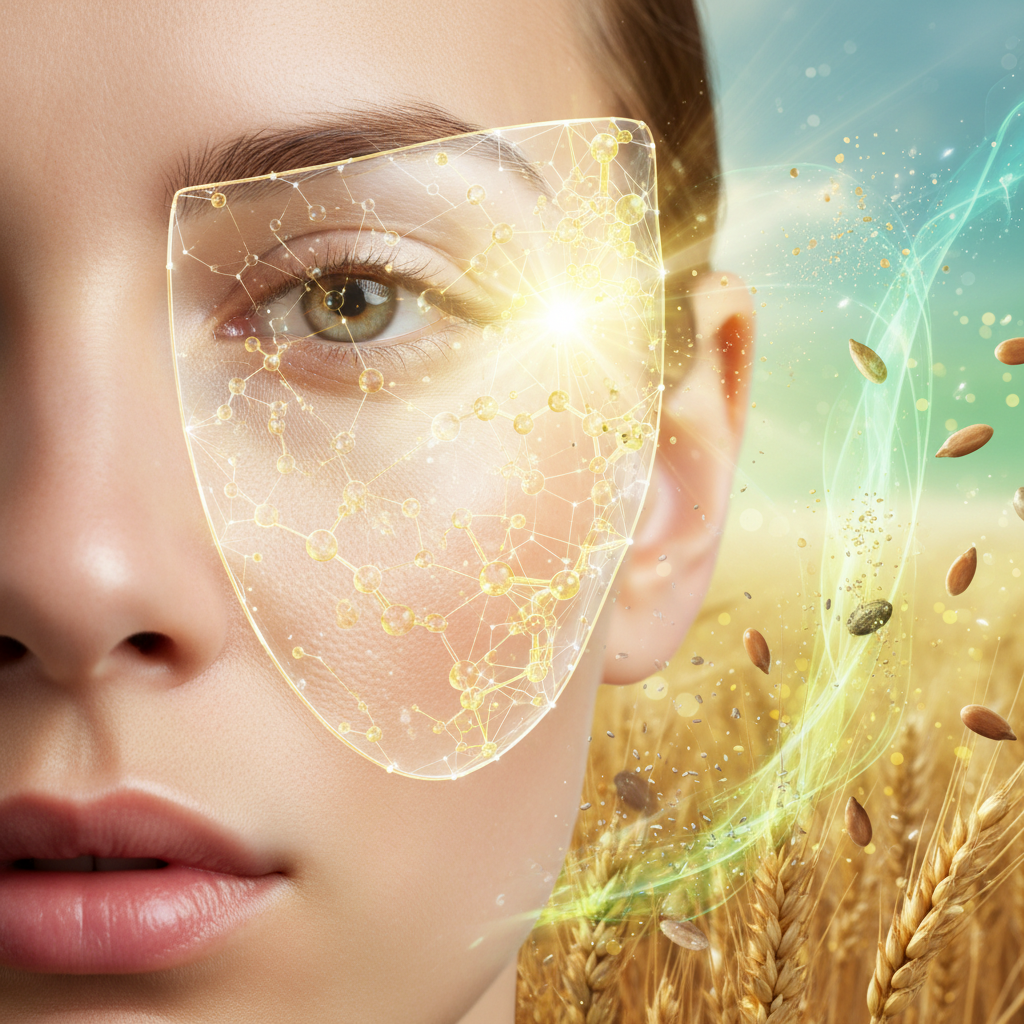
Phytic acid, a naturally occurring compound found in grains and seeds, has emerged as a powerful shield against environmental stressors. Its effective antioxidant properties work to neutralize free radicals generated by pollution, UV radiation, and other harmful external factors. In a world where our skin is constantly bombarded by such aggressors, incorporating phytic acid into skincare routines can bolster the skin's defense mechanisms, promoting a healthier and more resilient complexion.
Moreover, phytic acid does not merely act as a barrier; it also aids in skin rejuvenation. By chelating metal ions, it inhibits oxidative stress that can prematurely age the skin. This natural approach to protection allows for a soothing effect, making phytic acid suitable for sensitive skin types. Its multifaceted benefits offer a radiant glow while effectively shielding the skin from the taxing impacts of our environment, highlighting phytic acid as a crucial ingredient for those seeking to enhance their skincare regimen.
Soothing Sensitivity: The Calming Effects of Phytic Acid for Irritated Skin
Phytic acid, a natural compound found in various seeds and legumes, has gained recognition in the skincare industry for its calming properties, especially for individuals with sensitive and irritated skin. According to a 2020 study published in the *Journal of Cosmetic Dermatology*, phytic acid has been shown to reduce inflammation and redness, making it an excellent choice for those prone to skin irritation. The chelating properties of phytic acid can help soothe the skin by neutralizing free radicals and minimizing oxidative stress, which often exacerbates sensitivities (Journal of Cosmetic Dermatology, 2020).
Additionally, clinical trials have indicated that phytic acid can enhance the skin's barrier function. A report by the International Journal of Dermatology highlighted that regular use of products containing phytic acid resulted in a significant decrease in transepidermal water loss (TEWL), indicating improved moisture retention and skin barrier support (International Journal of Dermatology, 2021). This enhanced barrier function not only contributes to an overall healthier skin appearance but also provides a protective effect against environmental irritants, further ensuring comfort for sensitive skin types.
Top 5 Benefits of Phytic Acid for Your Skin
This bar chart illustrates the top five benefits of phytic acid for your skin, highlighting its strong antioxidant properties, soothing effects for irritated skin, enhancement of skin texture, ability to reduce pigmentation, and its role in boosting hydration.
Brightening Benefits: How Phytic Acid Helps Diminish Dark Spots and Uneven Tone
Phytic acid, a naturally occurring compound found in plants, has garnered attention for its impressive ability to brighten the skin and tackle dark spots. Research indicates that phytic acid can significantly inhibit melanin production by disrupting the activity of tyrosinase, an enzyme crucial for melanin synthesis. According to a study published in the "Journal of Cosmetic Dermatology," phytic acid demonstrated a remarkable reduction in hyperpigmentation among test subjects, with over 30% experiencing a notable decrease in dark spots after consistent use over a period of eight weeks.
In addition to its brightening effects, phytic acid is a potent antioxidant that helps protect skin cells from oxidative stress. A report by the "International Journal of Cosmetic Science" highlighted that antioxidants like phytic acid can neutralize free radicals, reducing their potential to cause skin discoloration and aging. By incorporating phytic acid into skincare regimens, individuals can leverage its dual benefits of improving skin tone and safeguarding against environmental damage, making it an essential ingredient for anyone looking to enhance their complexion and achieve a more even skin tone.
Top 5 Benefits of Phytic Acid for Your Skin
| Benefit |
Description |
| Antioxidant Properties |
Phytic acid neutralizes free radicals, reducing oxidative stress on the skin. |
| Brightening Effect |
Helps to even out skin tone and diminish the appearance of dark spots. |
| Exfoliation |
Promotes gentle exfoliation, revealing a brighter and smoother complexion. |
| Moisture Retention |
Enhances the skin's ability to retain moisture, leading to better hydration. |
| Anti-Inflammatory |
Reduces redness and irritation, promoting a calm and clear complexion. |