Why Choose Soybean Oil? Discover Its Health Benefits and Industry Trends
In recent years, the spotlight has increasingly turned towards soybean oil, a versatile and widely used cooking oil that has garnered attention for its health benefits and sustainability in the food industry. According to Dr. Emily Green, a leading nutritionist in the agricultural sector, "Soybean oil stands out not only for its favorable fatty acid profile but also for its role in promoting heart health and overall well-being." As consumers become more health-conscious, the demand for nutritious and functional oils like soybean oil continues to rise.
Not only does soybean oil provide essential nutrients, but it is also a critical player in the global edible oils market. Its increasing popularity is driven by industry trends that favor plant-based products and sustainable sourcing. As businesses look for innovative ways to meet consumer needs, understanding the benefits of soybean oil becomes essential for both consumers and producers alike.
In this article, we will explore the numerous health advantages of soybean oil and examine the industry trends that are shaping its future. With evidence-based insights and expert opinions, we aim to uncover why soybean oil is more than just a cooking ingredient—it is a valuable component of a healthier lifestyle and a sustainable food industry.
Health Benefits of Soybean Oil: Nutritional Profile and Antioxidant Properties
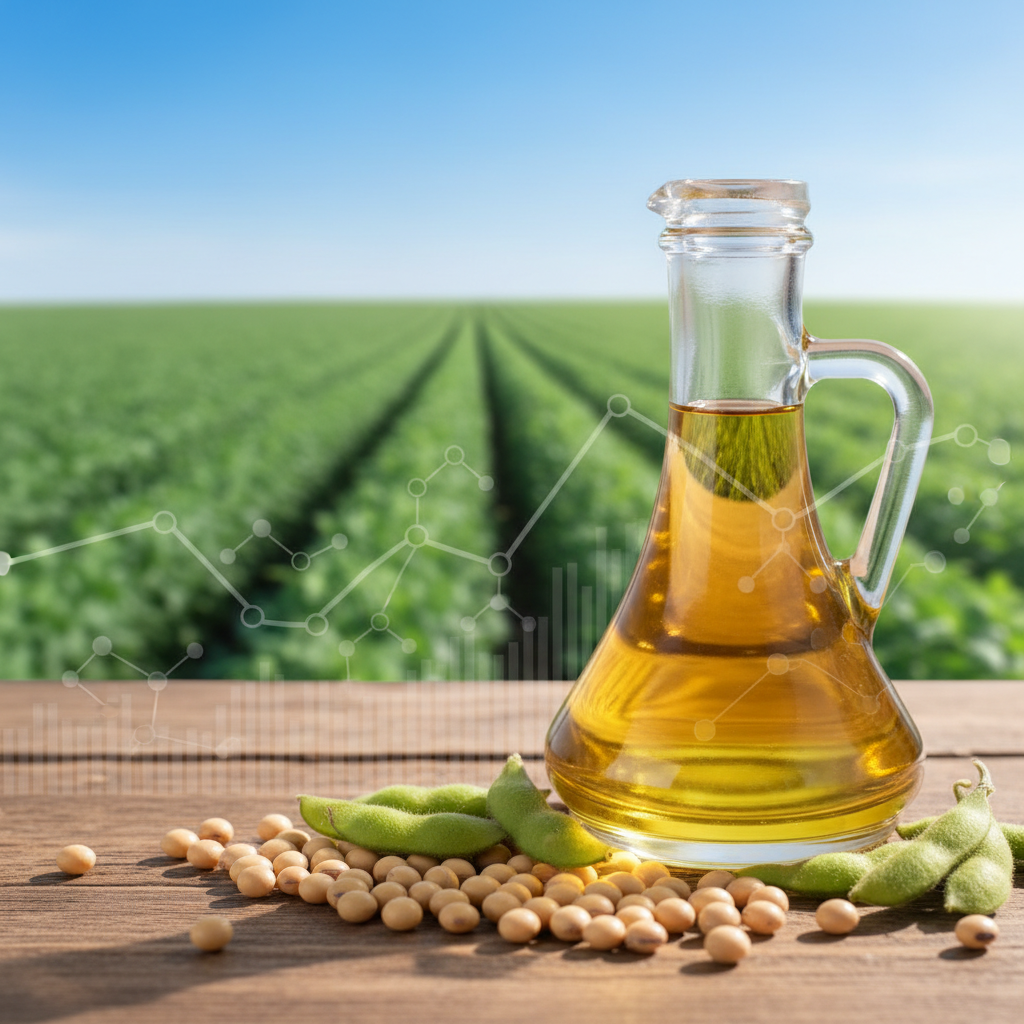
Soybean oil is gaining recognition for its impressive nutritional profile, making it a valuable addition to a healthy diet. Rich in polyunsaturated fats, particularly omega-3 and omega-6 fatty acids, it supports heart health by helping to lower bad cholesterol levels. It also contains vitamin E, a powerful antioxidant that promotes skin health and protects cells from oxidative stress. The combination of these nutrients can enhance overall well-being and reduce the risk of chronic diseases.
In addition to its heart-healthy fats and vitamins, soybean oil is known for its significant antioxidant properties. Antioxidants play a crucial role in combating free radicals in the body, which can lead to inflammation and various health issues over time. By incorporating soybean oil into your cooking or salad dressings, you can harness these benefits while adding a versatile ingredient to your meals. This oil not only supports health but also reflects current industry trends towards more plant-based and sustainable cooking oils, aligning with the growing consumer interest in healthier lifestyles.
Market Trends: Growth Predictions for Soybean Oil by 2025 and Consumer Preferences
The global soybean oil market is poised for significant growth, reflecting broader trends in the edible oils sector. With health awareness on the rise, consumers are increasingly opting for plant-based oils, driving a demand surge for soybean oil. The market is projected to expand notably between 2025 and 2033, fueled by the growing popularity of high-protein diets and the shift toward healthier cooking options. This demand is complemented by the expanding biodiesel industry, which is also turning to soybean oil as a sustainable alternative.
Market predictions indicate a thriving future for the vegetable oil segment, with the global cooking oil market alone expected to reach approximately USD 320.83 billion by 2034. Similarly, the Europe specialty fats and oils market is anticipated to grow from $17.69 billion in 2025 to $23.96 billion by 2032, showcasing a compound annual growth rate (CAGR) of 4.43%. As consumers continue to prioritize healthful eating and sustainable choices, the soybean oil market is set to thrive alongside these emerging trends.
Sustainability in Soybean Oil Production: Environmental Impact and Eco-Friendly Practices
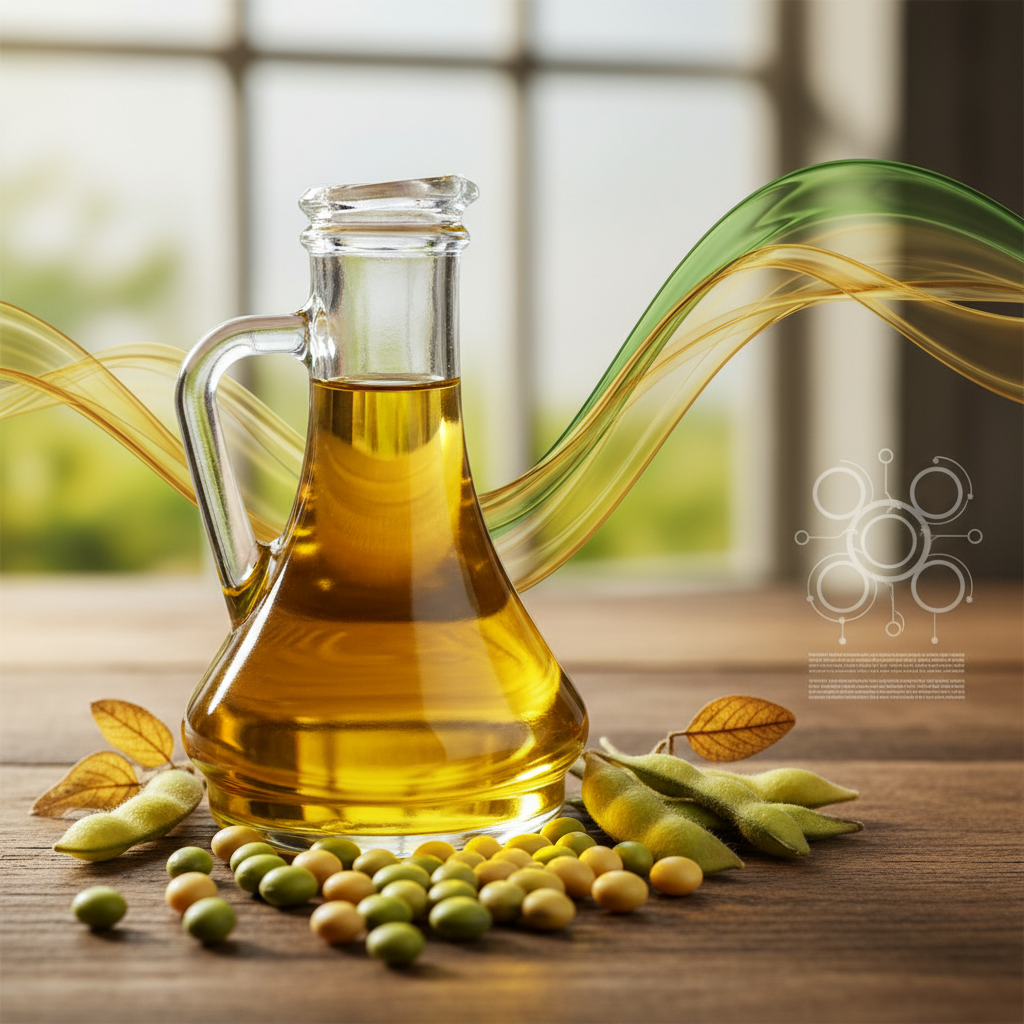 Soybean oil has garnered attention not only for its nutritional benefits but also for its role in sustainable agriculture. The production of soybean oil emphasizes eco-friendly practices that minimize environmental impact. This includes crop rotation and reduced pesticide use, which enhance soil health and biodiversity. By adopting sustainable farming methods, soybean farmers are able to produce oil with a smaller carbon footprint, addressing concerns associated with traditional agricultural practices.
Additionally, innovations in soybean oil extraction and processing are leading to more environmentally considerate methods. For instance, the advent of cold-press extraction techniques reduces energy consumption and eliminates the need for harmful solvents. Efforts are being made to encourage the use of sustainable farming certifications, promoting transparency and ensuring that consumers can make informed choices. As consumers increasingly prioritize environmental responsibility, the demand for sustainably produced soybean oil is expected to rise, setting a trend toward greener practices across the industry.
Comparative Analysis: Soybean Oil vs. Other Cooking Oils in the Industry
When comparing soybean oil to other cooking oils, several factors come into play, including nutritional value, cooking performance, and versatility. Soybean oil is rich in polyunsaturated fats and has a favorable omega-3 to omega-6 fatty acid ratio, making it a heart-healthy choice. Unlike coconut oil, which is high in saturated fats, soybean oil offers a lighter flavor profile that complements a variety of dishes without overpowering them. This makes it an ideal option for sautéing, frying, and baking.
Tips: When selecting cooking oils, consider the smoke point. Soybean oil has a high smoke point (around 450°F), making it suitable for high-heat cooking methods like frying. It's also beneficial to check for the presence of trans fats in other oils, as soybean oil is generally free from harmful trans fats when processed correctly.
Additionally, in terms of industry trends, soybean oil is increasingly preferred due to its sustainability and lower environmental impact compared to palm oil. As consumer awareness about healthy eating grows, soybean oil's growing popularity is reflected in its presence in processed foods and restaurant menus alike. This trend shows a shift towards oils that provide not only health benefits but also ethical production practices.
Innovations in Soybean Oil Processing: Technology Advancements and Quality Enhancements
In recent years, innovations in soybean oil processing have revolutionized the industry, allowing producers to enhance both quality and efficiency. Advanced technologies such as supercritical fluid extraction and enzymatic treatments have emerged, increasing oil yield while preserving the beneficial nutrients found in soybeans. These techniques not only optimize the extraction process but also minimize environmental impact, making soybean oil a more sustainable choice for consumers and producers alike.
Furthermore, quality enhancements have been driven by rigorous research and development aimed at improving the oil's stability and nutritional profile. Refinement processes have evolved to remove undesirable compounds, resulting in a more palatable product with a longer shelf life. These advancements have positioned soybean oil as a versatile ingredient in various culinary applications, recognized for its heart-healthy fats and favorable omega-3 fatty acid content. As the industry continues to innovate, the future of soybean oil looks promising, catering to both health-conscious consumers and industry demands for high-quality cooking oils.