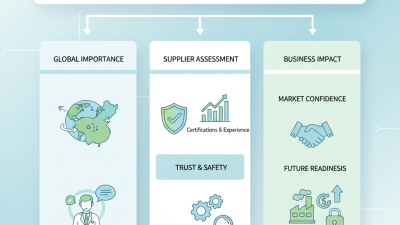
How to Source Tylosin Tartrate for Global Purchasing Needs?
Tylosin Tartrate is a crucial compound in the veterinary industry. It is widely used as an antibiotic for livestock, enhancing growth and health. According to market reports, the global Tylosin Tartrate market is projected to surpass $300 million by 2027, driven by rising demand for efficient livestock production.
Sourcing Tylosin Tartrate involves understanding supplier reliability and product quality. A recent study indicated that over 45% of purchasers prioritize quality assurance when selecting suppliers. This highlights the need for a robust evaluation process. Alternative sourcing strategies may present challenges, but they can mitigate risks associated with supply chains.
Navigating the complexities in sourcing Tylosin Tartrate requires knowledge of regulatory standards. Variations exist across regions, influencing availability and compliance. Failure to meet these standards may lead to significant setbacks. Thus, staying informed about market trends and regulatory changes is essential for making effective purchasing decisions. The importance of reliable partnerships with experienced suppliers cannot be overstated. As the market evolves, ongoing reflection on sourcing practices will be key to long-term success.

Understanding Tylosin Tartrate: Definition and Uses
Tylosin tartrate is an antibiotic with significant applications in veterinary medicine. It primarily acts against Gram-positive bacteria and some Gram-negative bacteria. This medication is crucial in livestock farming, commonly used to treat and prevent infections in animals like pigs and poultry. Understanding its uses helps optimize animal health and improve productivity.
When sourcing tylosin tartrate, it's vital to engage with reliable suppliers. Research their reputation and ensure they comply with safety standards. Some tips include checking for certifications and reviewing previous customer experiences. Strong relationships with suppliers can also lead to better insights about product quality.
Additionally, keep in mind the dosage and administration guidelines. Overuse can lead to resistance and lower effectiveness. A careful approach to dosing can make a significant difference. Being informed about tylosin tartrate can help maintain a sustainable and effective treatment strategy in animal care.
Key Markets for Tylosin Tartrate: Global Demand Analysis
Tylosin tartrate is gaining traction in key global markets. Its use in veterinary medicine drives demand in regions like North America and Europe. The growing livestock sector relies on tylosin for health management and growth promotion.
Tips: Stay updated on market trends. Monitoring livestock health trends can help you understand demand shifts. Collaborate with experts to identify potential risks in sourcing.
Emerging markets in Asia and Latin America are also showing increased interest. These regions face unique challenges in regulatory environments and distribution logistics. Companies must navigate these complexities to ensure a steady supply.
Tips: Research local regulations thoroughly. Engage with local suppliers to build strong relationships. This can enhance your understanding of market dynamics.
Identifying Reliable Suppliers for Tylosin Tartrate
Identifying reliable suppliers for Tylosin Tartrate is crucial for global purchasing needs. Various reports highlight the importance of due diligence. The global market for veterinary pharmaceuticals is projected to reach $12 billion by 2025, driven by rising demand for livestock health solutions. This underscores the necessity for high-quality suppliers who can meet increasing needs.
To ensure your supplier is trustworthy, request certifications and quality assurance documentation. According to the International Organization for Standardization (ISO), suppliers should maintain compliance with stringent quality control processes. Look for partners who consistently pass third-party audits. Historical data indicates that suppliers who maintain transparency about their sourcing and production processes have fewer recalls and quality complaints.
Engaging suppliers with a proven track record is key. Research their customer reviews and case studies. A study by Market Research Future found that suppliers with at least five years of industry experience tend to deliver higher quality products. Ensure you also assess their financial stability and reliability of logistics services. Remember, even well-established suppliers can face challenges, so have contingency plans in place.
Evaluating Quality Standards and Regulations for Tylosin Tartrate
When sourcing Tylosin Tartrate globally, evaluating quality standards is crucial. Industry reports indicate that Tylosin Tartrate is regulated in various markets. For instance, in the European Union, the European Medicines Agency (EMA) sets stringent guidelines for veterinary medications. These guidelines ensure the safety and efficacy of antibiotics used in livestock. Understanding these standards can help in the selection of reliable suppliers.
Moreover, potency and purity are essential aspects of quality assessment. A recent report highlighted that Tylosin Tartrate should be at least 90% pure for effective use in livestock feed. Buyers must request certificates of analysis from suppliers to verify these claims. The absence of such documentation raises concerns regarding the product’s reliability and safety.
Tip: Always prioritize suppliers with a transparent quality assurance process.
Keep in mind that inconsistent quality can pose health risks to animals and affect meat safety for consumers. Regular audits of supplier facilities can reveal compliance with required standards. It is vital to challenge suppliers about their sourcing methods and production practices. This reflection on quality standards can lead to better sourcing decisions and a stronger commitment to animal health.
Tip: Don’t hesitate to ask for third-party lab test results.
Global Sourcing of Tylosin Tartrate: Quality Standards and Regulations
Strategies for Effective Global Purchasing of Tylosin Tartrate
Effective global purchasing of Tylosin Tartrate involves several key strategies. Building strong relationships with suppliers is crucial. This fosters trust and helps in negotiating better prices. Regular communication can also keep you updated on market trends and stock availability.
Researching supplier capabilities is essential. Evaluate their production capacity, quality control measures, and delivery timelines. This ensures that you choose reliable partners who can meet your demands. Consider visiting their facilities when possible. This offers insights that online data cannot provide.
Monitoring industry regulations is vital. Compliance with these regulations affects your purchasing decisions. It's important to stay informed about changes that could impact sourcing. Don't overlook potential risks, such as fluctuating prices or supplier insolvency. Regular assessments of your supply chain will help mitigate these challenges.
How to Source Tylosin Tartrate for Global Purchasing Needs? - Strategies for Effective Global Purchasing of Tylosin Tartrate
| Region |
Supplier Type |
Average Price per Kg (USD) |
Minimum Order Quantity (Kg) |
Lead Time (Days) |
| North America |
Manufacturer |
$50 |
100 |
14 |
| Europe |
Distributor |
$55 |
200 |
21 |
| Asia |
Manufacturer |
$45 |
150 |
10 |
| South America |
Distributor |
$52 |
100 |
30 |