What is Sodium Phytate and How to Source it Globally?
Sodium Phytate is a fascinating compound derived from phytate, often found in plant tissues. This natural substance plays a significant role in nutrient absorption and can be a crucial additive in various industries. Understanding Sodium Phytate can enhance our knowledge of food science and nutritional biochemistry. It holds promise for improving food quality and health benefits.
As more industries embrace the benefits of Sodium Phytate, sourcing it globally becomes paramount. Various suppliers offer Sodium Phytate, but quality may vary. Establishing relationships with reputable sources ensures reliability and effectiveness. Researching suppliers and seeking certifications can guide informed decisions. However, buyers must navigate challenges like price volatility and consistency.
Sodium Phytate is not only valuable; it also raises questions about production and sustainability. While it provides benefits, its extraction process can impact the environment. It’s essential to consider the ethics of sourcing Sodium Phytate. Awareness of these complexities fosters responsible consumption and supports sustainable practices within industries.

What is Sodium Phytate?
Sodium phytate is a naturally occurring compound derived from phytic acid. It is found in various seeds, grains, and legumes. This compound is known for its potential health benefits. It may help in mineral absorption and act as an antioxidant. Sodium phytate has gained attention in both health and food industries.
Sources of sodium phytate can be diverse. Legumes like lentils and chickpeas contain high levels. Whole grains, such as brown rice and oats, also contribute significantly. These natural sources make sodium phytate accessible to many. However, sourcing it globally may present challenges. Variability in agricultural practices affects availability. This inconsistency can lead to quality variations, making it essential to understand sourcing intricacies.
Manufacturers and researchers must be cautious. Ensuring the integrity of sodium phytate requires reliable suppliers. Testing for purity and efficacy is crucial. Contamination can compromise its benefits. Therefore, rigorous quality checks are vital in ensuring consistent quality. Understanding these factors can facilitate better sourcing practices. Making informed decisions will enhance the use of sodium phytate in various applications.
Chemical Composition and Properties of Sodium Phytate
Sodium phytate is a salt derived from phytic acid, predominantly found in plant seeds. Its chemical structure consists of several phosphate groups linked to a myo-inositol ring. Due to its unique composition, sodium phytate exhibits various properties that make it valuable in different fields, particularly in food and agriculture. This compound is known for its role as a natural preservative and is often utilized for its antioxidant properties.
Moreover, sodium phytate has chelating abilities, meaning it can bind metals and help improve nutrient absorption in plants. This characteristic is crucial in agriculture, where it serves as a nutrient enhancer in fertilizers. However, the natural sourcing of sodium phytate can pose challenges. Countries vary in the availability of raw materials, often found in grains and legumes. Local agricultural practices influence the extraction process, making it vital to identify reliable sources.
Despite its advantages, there are complexities in its application. The solubility of sodium phytate varies, which can impact its effectiveness in certain environments. Understanding these variables is essential for maximizing its benefits in practical applications. Researchers continue to explore innovative ways to improve the sourcing and utility of sodium phytate globally.
Applications and Benefits of Sodium Phytate in Industries
Sodium phytate, a natural compound derived from phytate salt, finds its place in various industries due to its unique properties. In the food industry, it serves as a preservative and antioxidant. Studies show that sodium phytate can enhance the shelf life of products by 20-30%. Furthermore, its potential to reduce cholesterol absorption makes it appealing in health food formulations.
In agriculture, sodium phytate acts as a chelating agent. It helps improve nutrient availability in soil. Reports indicate that using sodium phytate can increase crop yield by up to 15%, particularly in phosphorus-deficient soils. The environmental benefits are noteworthy too. It reduces the need for chemical fertilizers, promoting sustainable farming practices.
Moreover, sodium phytate is gaining traction in the cosmetics sector. Its antioxidant properties contribute to skin health. Research suggests it may protect against UV damage and reduce the appearance of aging. This growing interest reflects a broader trend towards natural ingredients in beauty products. However, sourcing sodium phytate globally can be challenging. Variance in quality and availability raises questions about supply chain reliability.
What is Sodium Phytate and How to Source it Globally? - Applications and Benefits of Sodium Phytate in Industries
| Application Area |
Benefits |
Source Regions |
Average Pricing (USD/kg) |
| Food Industry |
Improves nutritional profile, acts as an antioxidant |
North America, Europe, Asia |
$2.50 |
| Pharmaceuticals |
Enhances drug delivery, stabilizes formulations |
Asia, South America |
$3.00 |
| Cosmetics |
Provides skin benefits, acts as a natural preservative |
Europe, North America |
$4.00 |
| Agriculture |
Enhances nutrient uptake, organic growth stimulant |
Asia, Australia |
$1.80 |
| Food Additives |
Improves texture, flavor retention |
North America, Europe |
$2.20 |
Global Sources and Supply Chain of Sodium Phytate
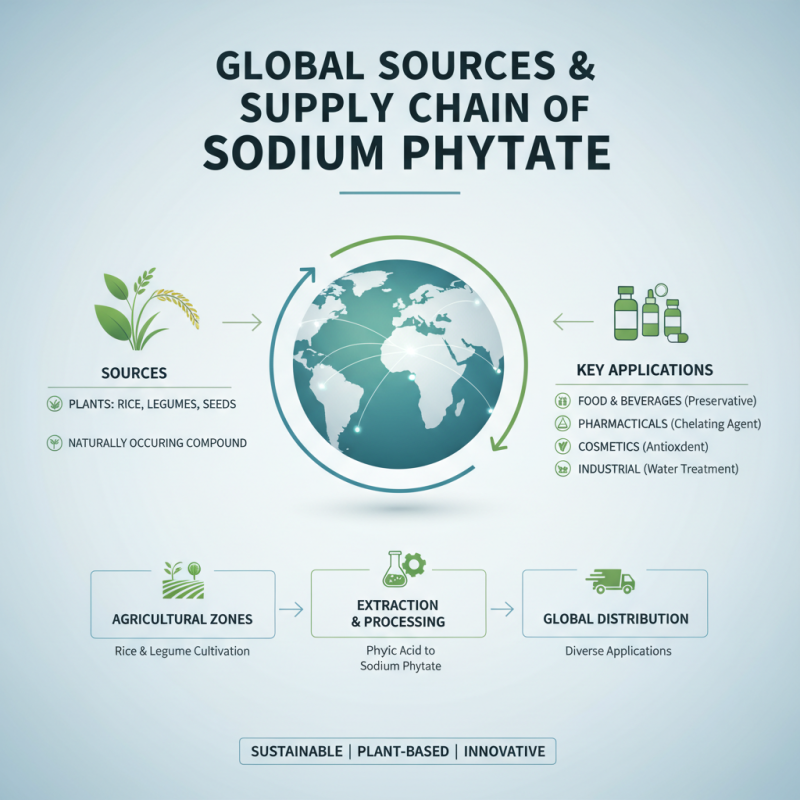
Sodium phytate, a naturally occurring compound derived from plants, is gaining attention for its diverse applications. Sourcing this ingredient globally requires an understanding of its supply chain, which spans multiple regions. Key producers often reside in agricultural zones, where crops like rice and legumes are cultivated. These plants contain high levels of phytic acid, which can be processed into sodium phytate.
The procurement process for sodium phytate can be complex. It involves raw material suppliers, manufacturers, and distributors. Each player in the supply chain plays a critical role in ensuring quality and availability. Established suppliers may offer reliable options, but emerging sources also present opportunities. Navigating this landscape demands diligence in evaluating the credibility of potential partners.
Challenges exist in sourcing sodium phytate. Variability in crop yield due to climate conditions can impact availability. Moreover, quality control measures differ among suppliers. Buyers should prioritize transparency and traceability to ensure reliable sourcing. Engaging with reputable producers can mitigate risks associated with quality and supply disruptions. The landscape is constantly evolving, urging stakeholders to stay informed.
Challenges in Sourcing Sodium Phytate Globally
Sodium phytate is a natural compound found in plant seed tissues. Sourcing it globally poses several challenges. One significant issue is the variability in agricultural production conditions across different regions. Climate factors can greatly affect the availability of raw materials.
Another hurdle is the lack of standardized quality control measures. This inconsistency can impact the efficacy of sodium phytate in applications such as food and pharmaceuticals. Different suppliers may not meet the same specifications, creating difficulties for manufacturers.
Tips for sourcing sodium phytate effectively include building relationships with multiple suppliers for better security. Conduct an in-depth analysis of their production processes. Regular audits can ensure that they adhere to the expected quality standards.
Also, consider collaborating with local agricultural cooperatives. They may provide insight into sourcing sustainably while supporting local economies. Networking within industry groups can lead to potential partnerships. This holistic approach can aid in overcoming the sourcing challenges associated with sodium phytate.
Sourcing Challenges of Sodium Phytate Globally