What is Neomycin Sulfate and How is it Used?
Neomycin Sulfate is a powerful antibiotic used to combat bacterial infections. Its effectiveness lies in its ability to inhibit protein synthesis in bacteria, leading to their destruction. This medication is primarily used topically for skin infections, as well as for some eye and ear applications. It works best against gram-negative bacteria, making it a valuable tool in medical treatment.
Despite its benefits, Neomycin Sulfate comes with potential risks. Some individuals may experience allergic reactions or irritation at the application site. This raises questions about its safety in certain populations, particularly those with pre-existing conditions. As with any medication, informed use is crucial. Patients should consult healthcare professionals before starting treatment.
Neomycin Sulfate's varied applications highlight its importance in modern medicine. However, its use should always be weighed against possible side effects. Understanding this antibiotic's role can help enhance patient outcomes and ensure that it is used responsibly and effectively.
What is Neomycin Sulfate?
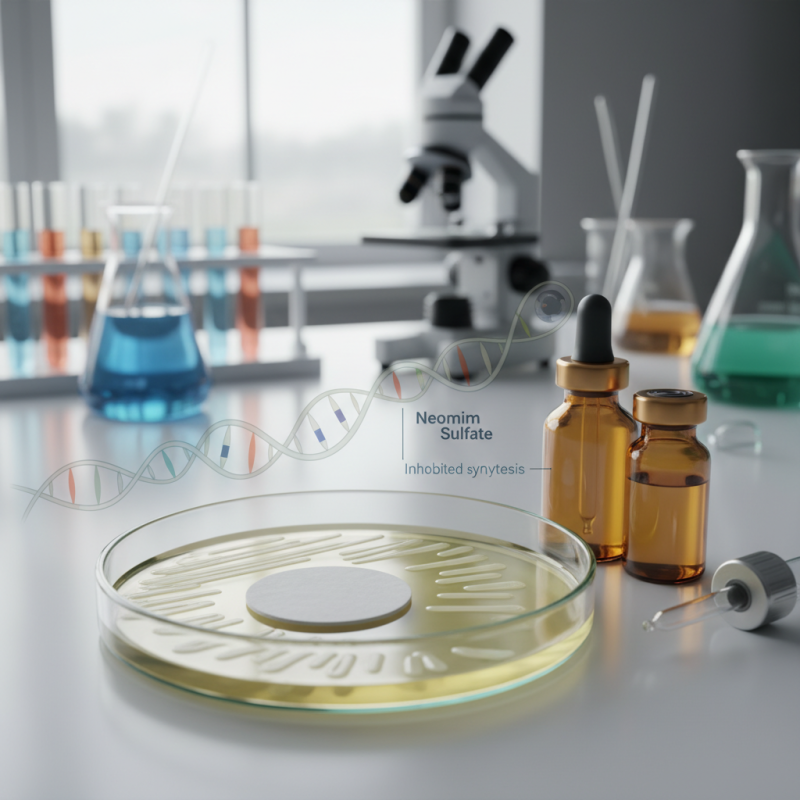
Neomycin sulfate is an aminoglycoside antibiotic widely used in medical settings. It is effective against various bacterial infections, particularly those caused by Gram-negative bacteria. This compound works by inhibiting bacterial protein synthesis, leading to cell death. According to the World Health Organization, aminoglycosides are essential medicines for treating specific infections, highlighting their importance in healthcare.
In topical formulations, neomycin sulfate treats skin infections, such as impetigo and minor wounds. It's available in ointments and creams, providing localized relief. However, the use of neomycin sulfate is not without concerns. Reports indicate that allergic reactions occur in up to 5% of patients using topical neomycin. This underscores the importance of careful patient assessment before application.
Occasionally, systemic side effects can arise, especially with excessive use. Some studies show that prolonged exposure may lead to nephrotoxicity and ototoxicity. Although serious side effects are rare, they warrant cautious use in vulnerable populations. Awareness of these risks helps clinicians make informed decisions about its application, balancing efficacy and safety.
Neomycin Sulfate Utilization in Medical Applications
Chemical Composition and Properties of Neomycin Sulfate
Neomycin sulfate is an antibiotic derived from the bacterium *Micromonospora purpurea*. Its chemical formula is C23H46N6O13S, comprising complex structures that contribute to its effectiveness. The compound contains amino sugars and glycosides, making it water-soluble. This property allows neomycin to be easily absorbed in the body, particularly when applied topically or administered orally.
The molecular structure of neomycin sulfate allows it to inhibit bacterial protein synthesis. This is achieved by binding to the ribosome of bacteria, disrupting their ability to grow and multiply. Its effectiveness against a broad spectrum of gram-negative and some gram-positive bacteria makes it a valuable treatment option. However, the use of neomycin can lead to challenges, including potential toxicity, particularly when used inappropriately.
Although neomycin sulfate has proven medical benefits, it is vital to use it with caution. Misuse can lead to antibiotic resistance, which is a growing concern in the healthcare community. Patients should always consult with healthcare professionals before using neomycin sulfate to avoid unnecessary risks. The balance between effectiveness and safety remains a vital point of discussion in the medical field.
Medical Uses of Neomycin Sulfate in Treatments
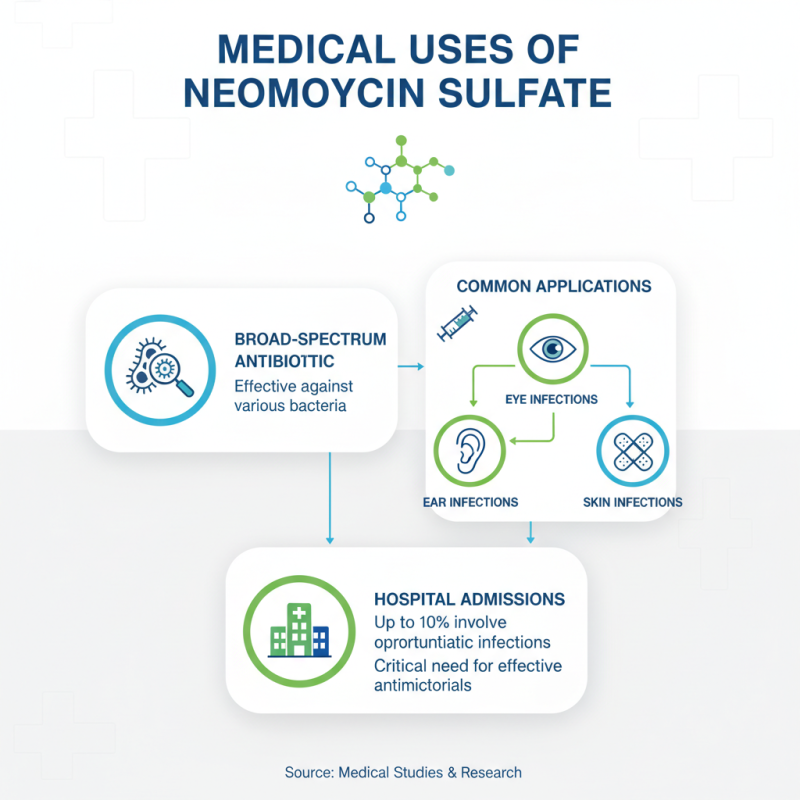
Neomycin sulfate is an antibiotic frequently used in medical settings. It is effective against a range of bacteria. This antibiotic is particularly useful in treating infections of the skin, eyes, and ears. Studies estimate that up to 10% of hospital admissions may involve opportunistic infections, highlighting the need for effective antimicrobial agents like neomycin sulfate.
In dermatology, neomycin sulfate is often applied topically. It helps manage conditions like impetigo and other skin infections. According to a 2021 report, topical antibiotics account for about 30% of dermatological prescriptions. Moreover, in ophthalmology, neomycin sulfate is combined with other medications to treat conjunctivitis, offering a dual mechanism of action against bacterial pathogens.
However, the prevalence of antibiotic resistance is concerning. Overuse of antibiotics is a significant issue. Data from the CDC suggests that nearly 35,000 deaths each year in the U.S. are attributed to antibiotic-resistant infections. This situation prompts practitioners to reflect on prescribing habits and the importance of appropriate antibiotic stewardship. The use of neomycin sulfate, while beneficial, requires careful consideration to preserve its efficacy for future use.
Side Effects and Precautions of Neomycin Sulfate
Neomycin sulfate is an antibiotic commonly used to treat bacterial infections. However, patients should be aware of potential side effects and precautions. Clinical studies indicate that around 10-15% of individuals may experience some form of adverse reactions. Common side effects include itching, rash, and gastrointestinal issues. Serious reactions, such as nephrotoxicity, although rare, can occur and should be monitored closely.
Patients with a history of kidney problems are particularly at risk. A 2022 report published in the Journal of Antibiotic Studies highlights that nephrotoxicity rates increase significantly in those with pre-existing conditions. It is crucial for healthcare providers to conduct thorough assessments before administration. Additionally, the risk of allergic reactions can be heightened in patients with sensitivity to aminoglycosides. This highlights the need for cautious prescribing.
Neomycin can also disrupt the gut microbiome, which may lead to complications. Long-term use is linked to potential antibiotic resistance. This emphasizes the importance of evaluating the necessity of neomycin use in treatment plans. Continuous monitoring and open communication with healthcare providers can significantly reduce the risk of adverse effects while maximizing the benefits of this antibiotic treatment.
Alternative Antibiotics to Neomycin Sulfate in Healthcare
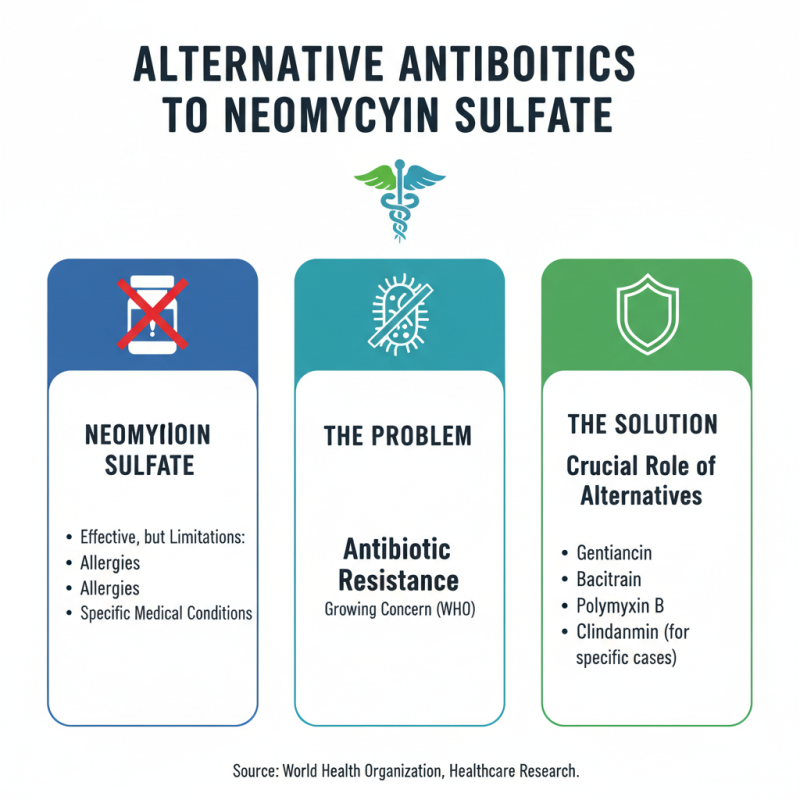
Neomycin sulfate is an effective antibiotic but not without limitations. For patients with allergies or specific medical conditions, alternative antibiotics can play a crucial role. According to the World Health Organization, resistance to antibiotics is a growing concern, prompting the need for effective alternatives.
Ampicillin and gentamicin are two options. Ampicillin, a broad-spectrum antibiotic, is widely used for various infections. It can target both Gram-positive and Gram-negative bacteria effectively. Gentamicin, on the other hand, is often employed for serious infections caused by aerobic bacteria. Reports indicate that using these alternatives can decrease the incidence of resistance when prescribed judiciously.
Another alternative includes tetracycline, widely recognized for treating infections like Lyme disease and acne. However, its use must be carefully monitored. Interestingly, research shows that while effective, such alternatives may have side effects that require monitoring. The continued evolution of bacterial resistance suggests that reliance on a single antibiotic, including neomycin sulfate, can lead to challenges in treatment protocols. Understanding these alternatives is vital for effective patient care.