What is Levulinic Acid and Why is it Important?
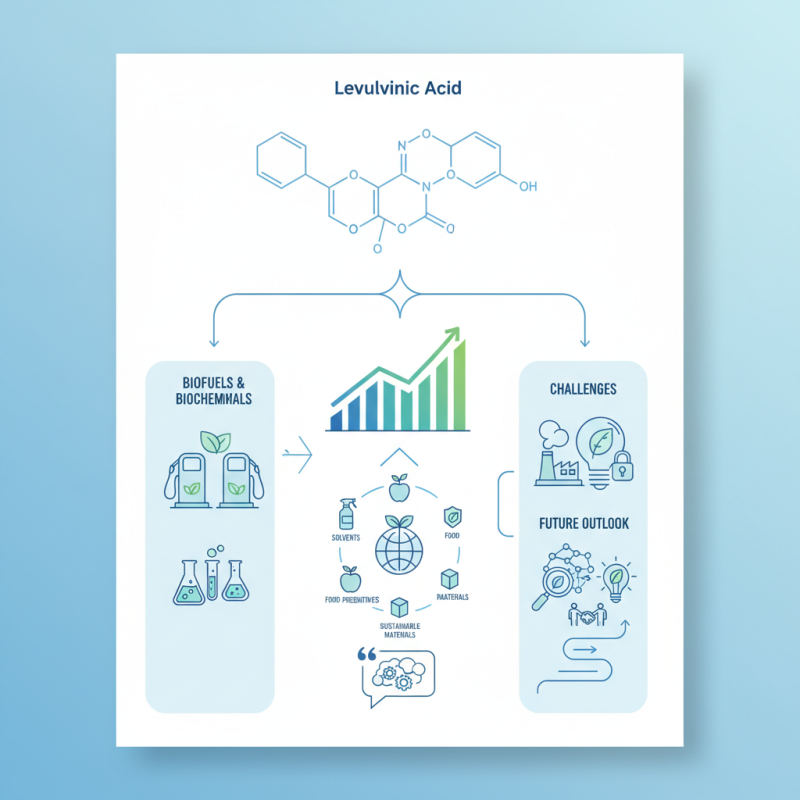
Levulinic Acid is emerging as a vital component in the fields of biofuels and biochemicals. According to a report by MarketsandMarkets, the global levulinic acid market is expected to reach USD 245 million by 2025, growing at a rate of 8.4% per year. This compound, derived from biomass, has potential applications that range from solvents to food preservatives.
Dr. Emily Smith, a renowned expert in renewable chemicals, stated, "Levulinic Acid is a key building block for sustainable materials." This highlights its importance in reducing reliance on fossil fuels. However, while its benefits are significant, challenges in production and scalability need further analysis. The industry must address these hurdles to maximize the potential of Levulinic Acid.
Investments in research and development are crucial for innovation. The complexity of extraction processes often leads to inefficiencies. This creates a gap between the expected demand and actual supply. The future of Levulinic Acid looks promising, but the path forward will require collaborative efforts and a willingness to explore new pathways.
What is Levulinic Acid? Definition and Chemical Structure Explained
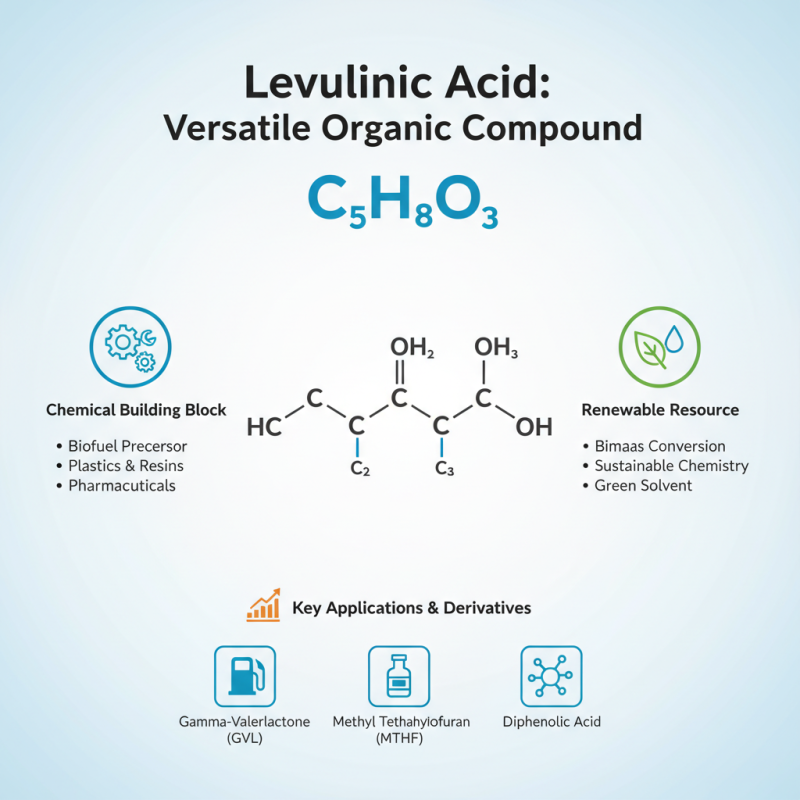
Levulinic acid is a versatile organic compound. Its chemical formula is C5H8O3. The structure consists of a five-carbon chain with a carbonyl and hydroxyl group. This unique structure allows levulinic acid to serve as a building block in various chemical processes.
Levulinic acid has gained attention in recent years. It is derived from biomass, making it eco-friendly. It can be used in pharmaceuticals, food additives, and biodegradable plastics. This adaptability makes it an important compound in the shift towards sustainable materials. However, more research is needed to enhance its applications.
Tips: Always consider the source of biomass. Sustainable practices in sourcing are crucial. Be cautious of over-extraction, which can harm ecosystems. Also, explore how levulinic acid can replace less sustainable materials. This may lead to innovative solutions in various sectors. Embracing new ideas is essential for progress.
Production Methods of Levulinic Acid: Key Processes and Technologies
Levulinic acid is gaining attention in various industries due to its versatility. It can be produced from biomass through different methods, primarily acid hydrolysis and fermentation. Acid hydrolysis involves treating cellulose-rich materials with acids. This process can be efficient, but it often requires careful control of temperature and reaction time to avoid undesirable by-products.
Fermentation, on the other hand, utilizes microorganisms to convert sugars into levulinic acid. This method can be more environmentally friendly. However, it may face challenges related to yield and process efficiency. Yield fluctuations are common, which can impact scalability.
Despite these production methods, there remains room for improvement. Both processes require optimization for cost-effectiveness and sustainability. Researchers are exploring various catalysts and conditions to enhance production rates and reduce waste. There is a constant need to refine these technologies to meet industrial demands while minimizing environmental impact. The quest for better methods continues, making levulinic acid an exciting topic for future exploration.
What is Levulinic Acid and Why is it Important?
| Production Method |
Key Process |
Raw Materials |
Yield (%) |
Environmental Impact |
| Acid Hydrolysis |
Conversion of cellulose to levulinic acid via acid catalyst |
Cellulose, Water |
60-70 |
Moderate, due to acid use |
| Base Catalyzed Depolymerization |
Alkaline conditions to break down biomass |
Lignocellulosic Biomass |
50-65 |
Lower, more eco-friendly |
| Thermal Decomposition |
Heat-induced breakdown of biomass |
Starch, Sugar |
70-80 |
Moderate |
| Microbial Fermentation |
Use of microorganisms to ferment substrates |
Glucose, Fructose |
30-50 |
Low, provided proper conditions |
Applications of Levulinic Acid in Industries: Biofuels, Plastics, and More
Levulinic acid is a versatile compound derived from biomass. It is gaining attention for its potential in various industries. In biofuels, levulinic acid serves as a platform chemical. It can be converted into fuel additives, improving combustion efficiency and reducing emissions. The biofuel industry is projected to grow by 11.5% annually, driven by environmental concerns. This growth opens pathways for levulinic acid applications.
Additionally, levulinic acid plays a role in plastics production. It is used in creating biodegradable polymers. These materials are essential for reducing plastic waste. The global biodegradable plastics market is estimated to reach $7.0 billion by 2027. This shift towards eco-friendly alternatives is crucial as plastic pollution becomes a significant issue.
Tip: Consider using levulinic acid-based products in your projects. They contribute to sustainability while offering reliable performance.
The pharmaceutical sector also explores levulinic acid. It can be a key ingredient in drug formulations. However, research is ongoing to fully understand its benefits in this field. The demand for innovative pharmaceuticals is rising, but challenges remain in the regulatory space.
Tip: Stay informed about the latest studies on levulinic acid. Understanding its diverse applications will enhance your projects.
Market Demand and Trends for Levulinic Acid: Current Industry Insights
Levulinic acid is gaining significant attention in various industries. Its versatile applications are driving market demand. According to a recent report, the global levulinic acid market is expected to reach USD 450 million by 2027, growing at a CAGR of 8.5%. This surge highlights the chemical's rising importance, particularly in the production of biofuels and biodegradable plastics.
Trends indicate a shift toward sustainable materials. Levulinic acid serves as a building block for eco-friendly alternatives. Manufacturers are increasingly using it in pharmaceuticals and agriculture. This shift is partly due to stringent regulations on synthetic chemicals. As companies seek greener options, levulinic acid stands out. The market is also witnessing an uptick in investment for research and development. Innovative uses are emerging as companies explore this compound further.
Tip: When considering levulinic acid applications, focus on its sustainability aspect. This aligns with consumer preferences for greener products. Companies should continually assess their supply chains for eco-friendly materials. Keep an eye on emerging research to stay ahead in this evolving market. As the industry grows, staying informed can create new opportunities.
Health and Environmental Impact of Levulinic Acid: Safety and Sustainability
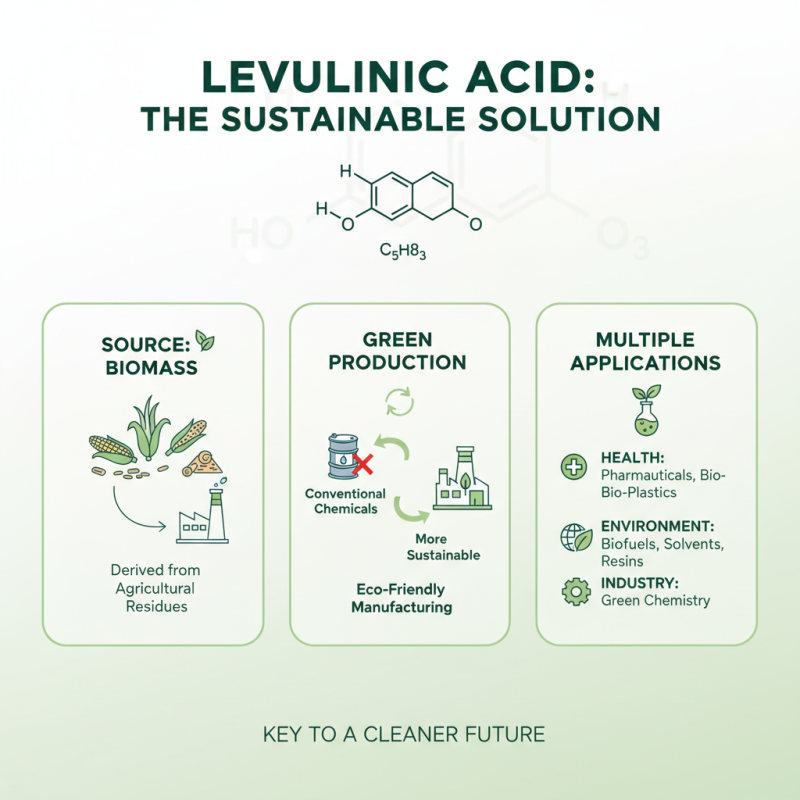
Levulinic acid is gaining attention due to its multiple applications in health and the environment. This organic compound is derived from biomass, often from agricultural residues. Its production is considered more sustainable compared to conventional chemicals. This makes levulinic acid an exciting candidate for greener practices.
In the health sector, levulinic acid is proposed as an antimicrobial agent. This potential could aid in developing new preservatives. However, more research is needed to fully understand its safety in food products. People often question whether it could lead to allergies or other reactions. These concerns highlight the importance of thorough safety evaluations.
From an environmental perspective, levulinic acid has a lower carbon footprint than many synthetic alternatives. It could reduce reliance on fossil fuels. Yet, its production must be managed carefully to avoid over-exploitation of biomass. This presents a double-edged sword. Sustainable sourcing is essential, as improper practices can negate its benefits. Balancing production with environmental responsibility remains a critical challenge.