Global buyers are paying closer attention to Liquid Paraffin as pharmaceutical, cosmetic, food-grade, and industrial applications expand. Market research reports from Grand View Research and Fortune Business Insights describe steady growth in the broader mineral oil sector, driven by healthcare, personal care, and manufacturing demand. However, Liquid Paraffin figures vary because researchers define grades and applications differently. That limitation deserves attention.
A reliable supplier should provide more than a competitive price. Buyers need clear viscosity data, purity specifications, batch traceability, safety data sheets, and practical export experience. A sealed drum, correct labeling, and consistent color can reveal more than a polished brochure. Regulatory documentation also matters, especially when products enter pharmaceutical or cosmetic supply chains.
Petroleum-products quality consultant Dr. Rajesh Kumar states, “Supplier reliability begins with product consistency, not with the lowest quotation.” This principle guides the comparison in this article. The strongest Liquid Paraffin suppliers usually combine audited production, stable feedstock access, responsive technical support, and transparent certificates of analysis. Yet no supplier is perfect. Delivery delays, regional documentation gaps, or inconsistent communication may still occur.
Reports from the International Trade Centre and national customs databases can help buyers verify trade patterns, while independent laboratory testing confirms actual product performance. Price alone is a weak filter. A better evaluation considers grade, viscosity, packaging, lead time, certification, and after-sales support. This guide identifies leading suppliers for global buyers while acknowledging that local regulations, application requirements, and shipment conditions can change the final decision.
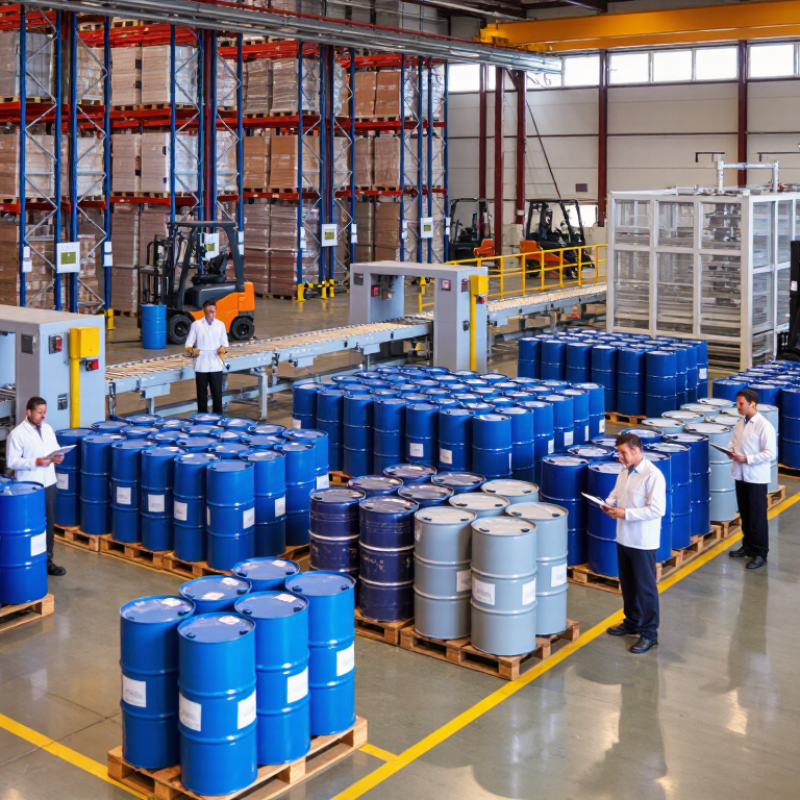
Liquid paraffin is a highly refined, colorless mineral oil derived from petroleum fractions. It contains saturated hydrocarbons and has almost no odor when properly processed. In industrial specifications, viscosity, purity, and pour point matter more than appearance. I have seen buyers focus on price first, then struggle with inconsistent flow during winter shipments. That mistake is understandable, but not harmless. A reliable supplier should provide batch data, safety documents, and traceable testing.
Its uses range from cosmetics and pharmaceuticals to plastics, textiles, and light industrial lubrication. In skincare, it helps reduce water loss and creates a smooth protective layer. Pharmaceutical grades may serve as excipients or laxative ingredients, subject to local approval. In manufacturing, liquid paraffin can support mold release, fiber processing, dust control, or equipment lubrication. Each use demands a suitable grade. Cosmetic material is not automatically appropriate for pharmaceutical production.
Global buyers should compare viscosity at a stated temperature, refining method, packaging, and transport conditions. Drums, totes, and bulk tankers require different handling plans. Ask whether the product meets the target pharmacopoeia or technical standard. Certificates alone do not prove every shipment is perfect. Independent sampling can reveal odor, color, moisture, or viscosity changes. I would question vague claims such as “universal grade.” They sound convenient, yet applications rarely share identical purity needs. Supplier performance deserves periodic review, because a good first delivery can create false confidence.
Liquid paraffin is a highly refined mixture of saturated hydrocarbons, commonly used where low reactivity, water resistance, lubrication, and skin-protective properties are required.
The chart shows common application categories rather than supplier or brand sales data. Actual consumption varies by purity, viscosity grade, regulatory requirements, and regional manufacturing demand. Pharmaceutical and cosmetic grades require appropriate quality controls and compliance documentation.
A reliable liquid paraffin supplier should provide clear specifications for every grade. Buyers should verify viscosity, density, color, odor, flash point, and purity. The intended use matters because industrial, cosmetic, and pharmaceutical grades require different controls. Request a recent Certificate of Analysis for each batch. Check whether testing follows recognized pharmacopeial or international methods. Safety Data Sheets should be accurate, current, and available before shipment. Traceability is essential. Each drum or container should link to a production batch, test record, and shipping document.
Experience often reveals details that brochures hide. I have seen attractive offers fail because viscosity changed between shipments. A strong supplier explains sampling procedures, storage conditions, and retest policies. Factory audits can confirm laboratory equipment, hygiene practices, tank cleanliness, and corrective-action records. Ask about packaging strength, seal quality, labeling, and protection from heat. Delivery performance also matters, but low prices can distract buyers from inconsistent quality. No supplier is perfect. A thoughtful review should record weaknesses, not only impressive certificates.
Tips: Compare three recent batches, not one. Confirm the testing laboratory and method. Check whether documents match the actual container markings. Discuss complaint handling before placing a large order. When specifications seem unusually broad, ask why. That small question may reveal a serious quality gap.
For global buyers, liquid paraffin sourcing depends heavily on regional strengths. The Middle East offers strong feedstock access, large refining capacity, and efficient bulk shipping routes. Suppliers there often support containerized drums, flexitanks, and heated storage for colder destinations. However, buyers should check grade consistency, export documentation, and loading schedules before signing contracts. Small details matter.
East Asia is known for broad processing expertise and reliable manufacturing infrastructure. Its suppliers commonly provide cosmetic, pharmaceutical, food-contact, and industrial grades with different viscosity ranges. Frequent port services and flexible packaging can reduce handling costs. Yet crowded production networks may create uneven lead times during maintenance or seasonal demand. That risk is easy to underestimate.
Europe remains valuable for buyers needing strict technical control, traceability, and specialized low-aromatic grades. Regional producers often maintain detailed certificates, batch records, and documented quality systems. North America can offer dependable supply, strong testing practices, and practical access to Atlantic and Pacific routes. Practical sourcing experience shows that the lowest quotation is rarely the best choice. Matching purity, viscosity, packaging, and delivery terms matters more. No region is perfect. A supplier’s certificate still needs independent verification, especially when specifications appear unusually favorable.
When comparing liquid paraffin suppliers, begin with quality evidence, not attractive quotations. Request a recent certificate of analysis for every proposed grade. Check viscosity, color, odor, density, moisture, and relevant purity limits. Match these results with your application and local requirements. A sample test can reveal flow changes after storage. Keep samples. Batch traceability, sealed records, and consistent specifications also indicate stronger supplier control.
Pricing needs a clear basis. Compare the product price, packaging cost, inland delivery, insurance, and ocean freight separately. Ask whether the quote uses FOB, CIF, or another delivery term. A lower price may exclude testing or port charges. Price alone misleads. Confirm minimum order quantity, payment conditions, quotation validity, and expected lead time. Small details matter. I would also compare two or three recent quotations, because market prices can shift before approval.
Packaging affects both product protection and handling efficiency. Steel drums may suit smaller orders, while IBC tanks can reduce handling time for regular volumes. Inspect liner material, closures, pallet stability, labeling, and leakage controls. Packaging should match the destination climate and warehouse conditions. Logistics planning should include production time, container availability, port schedules, customs documents, and contingency days. Delays happen. One overlooked issue is document consistency: the invoice, packing list, certificate, and shipping data should describe the same grade and quantity. A perfect comparison rarely exists, so record assumptions before selecting a supplier.
International buyers should treat liquid paraffin sourcing as a compliance project, not a simple price comparison. Market reports estimate steady demand from pharmaceutical, cosmetic, and industrial applications. However, product descriptions often hide important differences in refining level, viscosity, and intended use. Request the exact grade, specification sheet, safety data sheet, and recent certificate of analysis.
Supplier verification should begin with traceability. Check the manufacturing site, batch numbering, testing laboratory, and export history. A polished certificate is not proof. During supplier audits, buyers should compare test results with independent laboratory samples. Test viscosity, density, sulfur content, polycyclic aromatic hydrocarbons, and microbiological limits when relevant. The United States Pharmacopeia and European Pharmacopoeia provide recognized quality benchmarks for suitable pharmaceutical grades.
Import compliance also depends on the destination market. Under the European Chemicals Agency’s REACH framework, registration and downstream-use duties may apply. Customs documents should match the product’s technical identity, tariff classification, country of origin, and packaging details. The World Customs Organization stresses accurate classification for consistent border treatment. Small mismatches can delay clearance. They can also trigger costly rework.
I have seen buyers rely too heavily on one supplier declaration. That is risky. Recheck documents annually, especially after a plant, formulation, or ownership change. The OECD Due Diligence Guidance supports documented risk-based checks across international supply chains. Even careful verification has limits. Independent testing remains worthwhile when the shipment is valuable, regulated, or temperature-sensitive.
| Supplier Category | Typical Product Scope | Key Technical Data to Compare | Documents to Request | Supplier Verification Checks | Import Compliance Focus | Recommended Buyer Action |
|---|---|---|---|---|---|---|
| Pharmaceutical-grade manufacturer | Highly refined liquid paraffin for pharmaceutical, medical, and personal-care applications | Viscosity, density, colour, odour, pour point, acidity, polycyclic aromatic hydrocarbons, and microbiological limits where applicable | Current certificate of analysis, specification sheet, safety data sheet, batch traceability record, and applicable pharmaceutical-quality certification | Match the legal manufacturer, production site, batch number, test methods, and certificate date across all documents | Confirm destination-country rules for pharmaceutical excipients, product registration, labelling, and importer responsibilities | Approve only after reviewing a recent batch certificate and confirming that the stated grade matches the intended use |
| Cosmetic-grade refiner | Highly refined mineral oil or liquid paraffin for creams, lotions, ointments, and hair-care formulations | Appearance, odour, viscosity, density, UV absorbance, purity profile, and compliance with cosmetic ingredient restrictions | Specification sheet, safety data sheet, certificate of analysis, allergen statement, animal-testing statement where required, and regulatory declaration | Verify manufacturing location, product grade, INCI naming information, change-control procedure, and retained-sample policy | Check cosmetic notification, ingredient labelling, restricted-substance rules, and responsible-person obligations in the destination market | Request a formulation-use statement confirming that the material is suitable for the buyer’s intended cosmetic application |
| Food-contact or food-grade supplier | Highly refined white mineral oil for uses permitted by the applicable food-contact or food-additive framework | Viscosity, purity, UV absorbance, carbon number distribution, PAH limits, and compliance with the specific permitted-use category | Food-contact declaration, certificate of analysis, safety data sheet, non-GMO statement where relevant, and contaminant-control information | Confirm the declaration identifies the exact product, intended contact condition, temperature, and food-use limitations | Do not assume “food grade” is universally valid; verify the precise legal status in the importing country | Obtain written confirmation that the proposed application is covered by the destination jurisdiction’s permitted-use requirements |
| Industrial-grade distributor | Process oil, lubricant component, release agent, rubber-processing aid, or general industrial fluid | Kinematic viscosity, flash point, pour point, density, sulphur, colour, water content, and compatibility with the process | Technical data sheet, safety data sheet, certificate of analysis, origin statement, and transport classification information | Verify distributor authorization, storage conditions, relabelling controls, batch segregation, and product shelf-life policy | Review customs classification, chemical import notification, safety-data-language requirements, and dangerous-goods status | Use a pre-shipment sample and compare it with the final bulk batch before releasing payment |
| Regional bulk supplier | Drums, IBCs, flexitanks, or bulk tank deliveries for recurring industrial or formulation demand | Minimum order quantity, packaging options, loading temperature, viscosity range, lead time, and monthly capacity | Packing list, commercial invoice, certificate of origin, certificate of analysis, safety data sheet, and container-cleanliness record where relevant | Check warehouse address, stock ownership, tank or drum identification, insurance, and independent inspection availability | Confirm packaging complies with transport, customs, workplace-safety, and local chemical-labelling requirements | Agree on inspection, sampling, shortage, contamination, and rejected-goods procedures before ordering |
| Export-oriented contract supplier | Long-term supply programs with agreed specifications, shipment schedules, and quality-management procedures | Annual capacity, production consistency, batch-to-batch variation, lead time, incoterms, and supply-continuity measures | Quality agreement, audit questionnaire, business registration evidence, production-capacity statement, and continuity plan | Validate the contracting entity, bank-account ownership, authorized signatory, export history, and customer-reference process | Clarify importer of record, customs valuation, preferential-origin claims, sanctions screening, and record-retention duties | Use staged purchasing: sample, pilot shipment, performance review, then a longer-term supply agreement |
| Private-label or repacking supplier | Liquid paraffin repacked into customer-specific containers or labelled for a defined market | Original manufacturer, repacking date, net weight tolerance, container material, seal integrity, and label accuracy | Original certificate of analysis, repacking declaration, label artwork, safety data sheet, and packaging specification | Trace the product from original batch to final package and confirm controls against mixing or relabelling errors | Ensure labels show required chemical identity, hazard information, net quantity, origin, importer, and language details | Require approval of the final label and packaging before production or shipment |
| Specialty high-viscosity supplier | High-viscosity grades for ointments, technical formulations, coatings, and specialized processing | Viscosity at the stated test temperature, density, pour point, flash point, colour, and low-temperature behaviour | Detailed technical data sheet, test-method references, certificate of analysis, safety data sheet, and compatibility information | Confirm test temperature, measurement method, specification tolerance, and laboratory competence | Check whether the material is classified as a substance or mixture and whether additional local chemical requirements apply | Compare viscosity using the same method and temperature; nominal grade names alone are not sufficient |
| Low-viscosity specialty supplier | Low-viscosity grades for light formulations, polishing fluids, process aids, and selected personal-care uses | Kinematic viscosity, volatility, flash point, density, odour, colour, and evaporation behaviour | Product specification, certificate of analysis, safety data sheet, intended-use statement, and storage recommendations | Check whether the reported values are batch-specific and supported by recognized analytical methods | Review workplace exposure controls, hazard communication, transport rules, and local inventory obligations | Conduct application testing for evaporation, odour, surface appearance, and material compatibility |
| Compliance-focused international supplier | Export supply with documentation prepared for multiple customs and regulatory jurisdictions | Product identity, CAS reference where applicable, grade, origin, specification, shipment history, and document consistency | Safety data sheet in the destination language, certificate of analysis, origin documents, invoice, packing list, and regulatory declarations | Cross-check legal entity, domain email, physical address, payment beneficiary, certificates, and independent inspection results | Confirm tariff classification with a customs professional and verify all import permits, registration, and labelling duties | Make regulatory documentation a contractual condition and retain records for the legally required period |
0086-15628869272