Exploring Sodium Phytate: Benefits, Uses, and Health Impacts in 2025
The exploration of Sodium Phytate has gained significant attention in recent years, particularly as we look toward 2025 and beyond. Recognized as a natural compound derived from plants, Sodium Phytate is most commonly found in the seeds of legumes, nuts, and grains. Its potential health benefits, which include antioxidant properties and the ability to enhance mineral absorption, make it a subject of keen interest among nutritionists, researchers, and health enthusiasts alike. As our understanding of dietary components evolves, Sodium Phytate stands out not only for its nutritional value but also for its promising applications in both food science and health promotion.
In the contemporary landscape of health and wellness, the shift towards natural and plant-based ingredients has heightened the relevance of Sodium Phytate. It serves as a chelating agent, which can bind to essential minerals and improve their bioavailability, thus playing a crucial role in supporting overall health. Moreover, recent studies suggest that Sodium Phytate may also have implications in disease prevention, further emphasizing the need for deeper research into its mechanisms and effects. This exploration promises to unveil not only the benefits and uses of Sodium Phytate but also its intricate relationship with various health outcomes, making it a key area of study in nutritional science and public health discussions for the years to come.
Exploring the Chemical Structure and Composition of Sodium Phytate
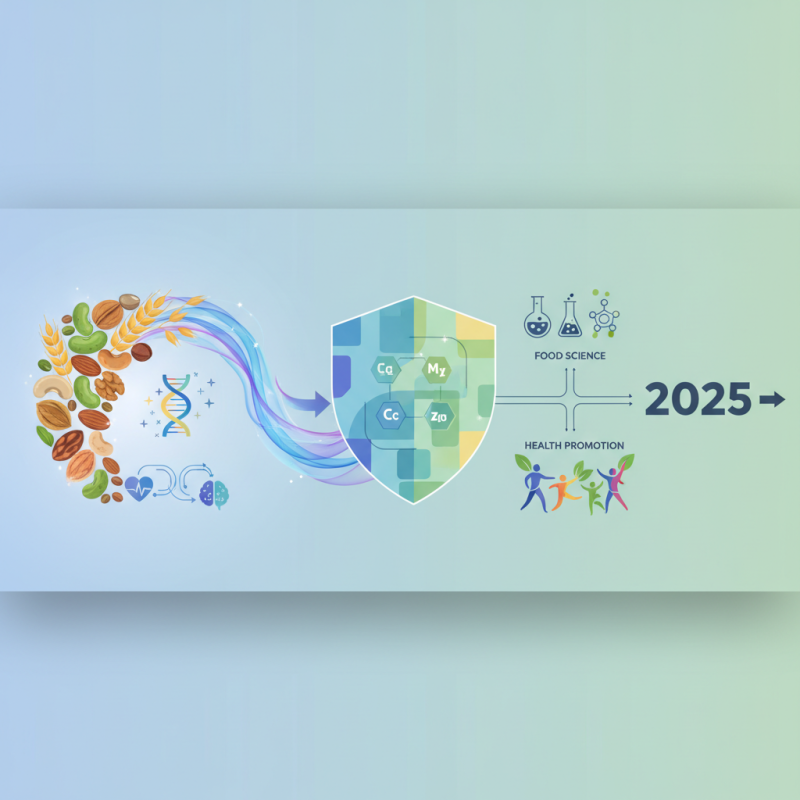
Sodium phytate, the sodium salt of phytic acid, features a complex chemical structure characterized by multiple phosphate groups attached to a myoinositol ring. This unique composition allows sodium phytate to exhibit strong chelating properties, which are essential in its role as a mineral-binding agent. According to a 2022 report by the International Journal of Food Sciences, sodium phytate has been shown to effectively bind divalent cations such as calcium, magnesium, and iron, potentially impacting their bioavailability in dietary sources. This chemical nature places sodium phytate at the intersection of nutrition and food technology, making it a focal point for research aimed at enhancing food formulations.
Recent studies have highlighted the dual functionality of sodium phytate, especially in the realm of health and nutrition. For instance, research published in the Journal of Nutritional Science in early 2023 noted that sodium phytate could play a protective role against oxidative stress and associated chronic diseases. With a significant increase in the global consumption of plant-based diets, a report by the Global Food Outlook predicts that the demand for sodium phytate as a functional food ingredient will rise by over 20% by 2025. This increase underscores the importance of ongoing research into its chemical behavior and health implications, particularly in relation to its mineral-binding characteristics and potential antioxidant properties.
Benefits and Uses of Sodium Phytate in Health Applications (2025)
This chart illustrates the various health benefits and uses of Sodium Phytate based on research conducted in 2025. Each benefit is rated on a scale from 1 to 10, demonstrating Sodium Phytate's significant role in health-related applications.
Health Benefits of Sodium Phytate: Antioxidant and Anti-Inflammatory Properties
Sodium phytate, a natural compound found primarily in seeds and grains, has garnered attention for its potential health benefits, particularly its antioxidant and anti-inflammatory properties. Research suggests that sodium phytate acts as a scavenger of free radicals, which are unstable molecules that can cause oxidative stress and damage to cells. By neutralizing these free radicals, sodium phytate may help in reducing the risk of chronic diseases associated with oxidative damage, including heart disease and cancer.
In addition to its antioxidant capabilities, sodium phytate exhibits significant anti-inflammatory effects. Inflammation is a common underlying factor in various health conditions, ranging from arthritis to cardiovascular diseases. Studies have shown that sodium phytate can inhibit inflammatory markers and pathways in the body, potentially alleviating symptoms and improving overall health. This dual action of combating oxidative stress while reducing inflammation positions sodium phytate as a valuable component in promoting long-term health and wellness. As research advances, the understanding of sodium phytate's role in nutrition and disease prevention continues to expand, highlighting its significance in dietary strategies for improved health outcomes.
Applications of Sodium Phytate in Food Industry and Nutritional Supplements
Sodium phytate, derived from phytic acid found in various plant sources, has gained recognition in the food industry for its functional and nutritional benefits. Its ability to act as a natural preservative has led to its incorporation in a variety of processed foods. By chelating minerals and reducing oxidation, sodium phytate helps maintain the freshness and extend the shelf life of products, particularly in baked goods and snacks. This property not only enhances the quality of food but also plays a role in preventing rancidity in fat-containing products.
In addition to its preservative qualities, sodium phytate is also utilized in nutritional supplements. It is known for its high antioxidant capacity, which can help combat free radicals in the body. Furthermore, its potential health benefits, including supporting digestive health and providing a source of dietary phosphorus, make it an appealing choice for health-conscious consumers. As research continues to uncover the positive impacts of sodium phytate on health, its applications in both food products and dietary supplements are likely to expand, paving the way for innovative offerings in the market.
Potential Health Risks and Safety Considerations of Sodium Phytate Consumption
Sodium phytate, a salt derived from phytic acid, is often recognized for its potential health benefits, particularly in the realm of nutrition and dietary supplementation. However, its consumption is not devoid of risks or safety concerns. One of the primary considerations is its capacity to chelate minerals. This means that while sodium phytate can bind to essential minerals like iron, calcium, and zinc, it may hinder their absorption in the body. Individuals relying on phytate-rich diets could face deficiencies in these critical nutrients, particularly vulnerable populations such as pregnant women, young children, and the elderly who may already be at risk for various nutritional deficits.
Moreover, excessive intake of sodium phytate might lead to gastrointestinal discomfort for some individuals. Common side effects might include bloating, gas, or diarrhea, especially among those who are unaccustomed to high-fiber diets. It’s also important to consider individual differences in phyate sensitivity, which may vary based on genetic factors, existing health conditions, and overall dietary patterns. As the exploration of sodium phytate continues in the context of dietary health, understanding these potential risks is essential for making informed decisions about its incorporation into one’s diet. Regular consultation with healthcare professionals is advisable to mitigate these risks while allowing individuals to reap the benefits of sodium phytate.
Future Trends in Research and Commercial Use of Sodium Phytate in 2025
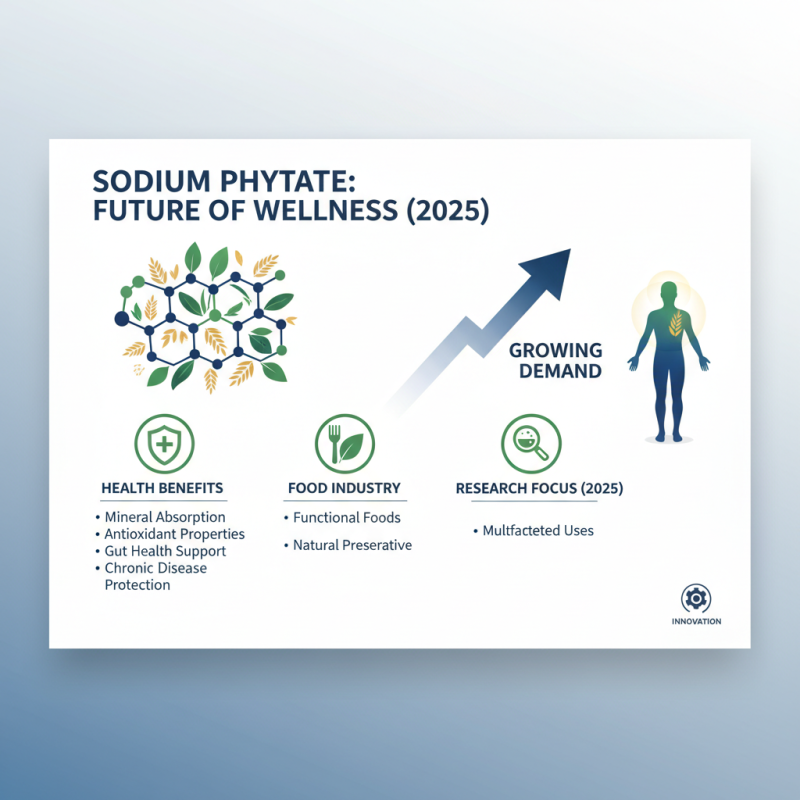
Sodium phytate, a compound derived from phytic acid, has long been recognized for its potential health benefits, particularly in relation to mineral absorption and antioxidant properties. As we look towards 2025, research initiatives are increasingly focusing on the multifaceted uses of sodium phytate in both health and food industries. Emerging studies suggest that sodium phytate can play a significant role in enhancing gut health and may even provide protective effects against certain chronic diseases. The exploration of its role in functional foods is particularly promising, as innovators seek to meet increasing consumer demand for health-promoting ingredients.
In commercial settings, the trend towards sodium phytate utilization is poised to expand significantly. With advancements in extraction and processing techniques, the cost-effectiveness of incorporating sodium phytate into products will likely improve, opening avenues for its use in nutritional supplements and fortified foods. Additionally, the rising popularity of plant-based diets further underscores the relevance of sodium phytate, especially as a natural food additive that can enhance the nutritional profile of vegetarian and vegan products. As researchers continue to uncover the diverse applications and benefits of sodium phytate, we can anticipate a shift in both consumer awareness and industry practices by 2025, paving the way for a broader acceptance of this compound in everyday diets.