10 Essential Tips to Understand Phytic Acid and Its Benefits for Your Health
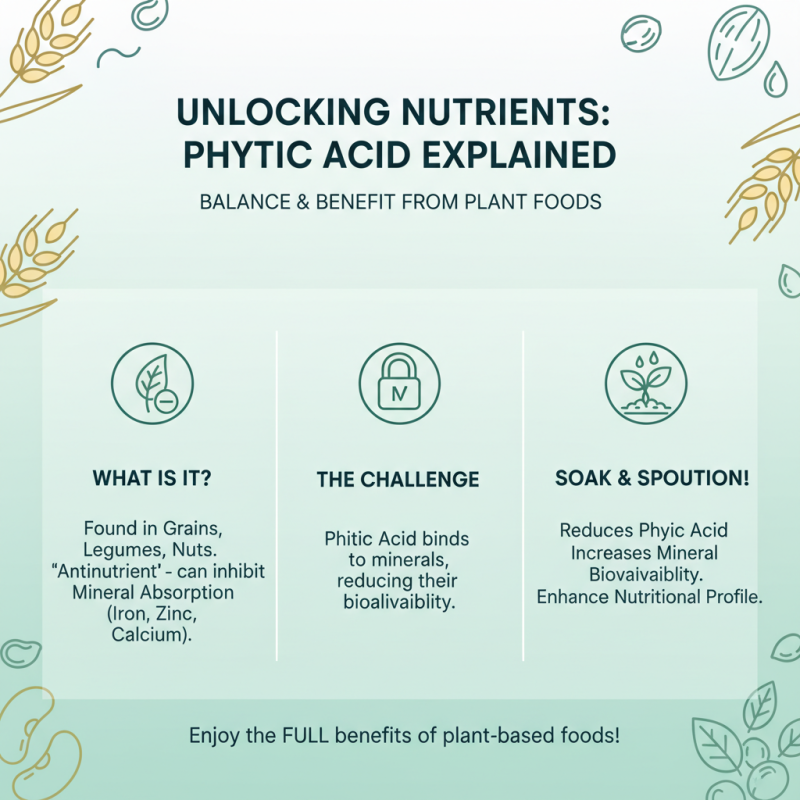
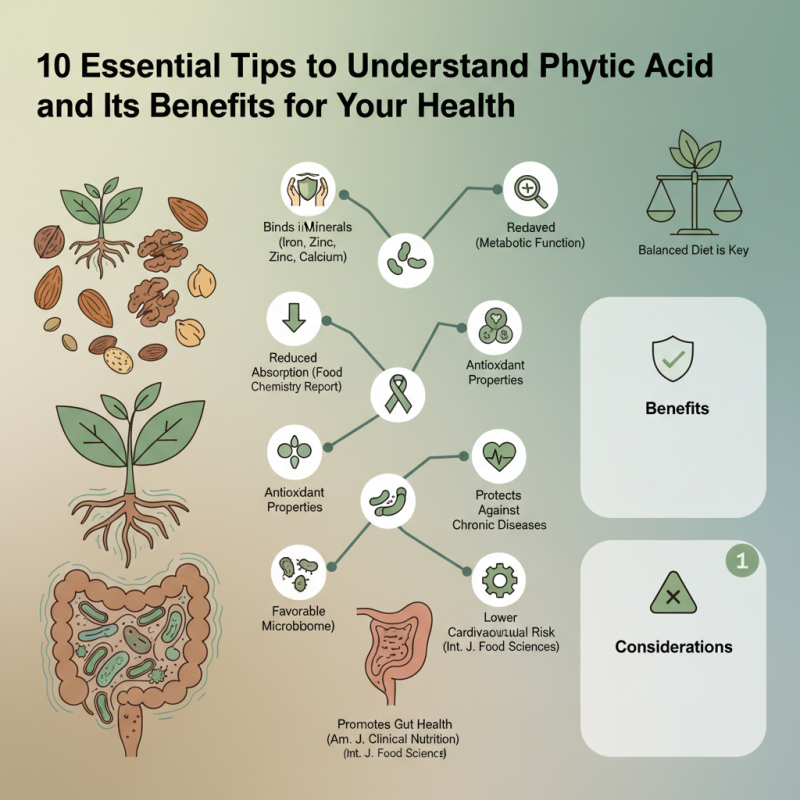
Phytic Acid, often referred to as an "anti-nutrient," has garnered significant attention in recent years due to its complex role in human nutrition and health. Found primarily in seeds, nuts, and legumes, this naturally occurring compound can bind minerals such as iron, zinc, and calcium, potentially affecting their absorption in the gastrointestinal tract. According to a report by the Food Chemistry journal, diets high in phytate can lead to reduced bioavailability of essential minerals, particularly in populations reliant on plant-based foods. However, recent studies have also begun to uncover the protective benefits of Phytic Acid against chronic diseases, highlighting its antioxidant properties and potential in reducing the risk of certain cancers.
As the interest in plant-based diets and whole foods continues to rise, understanding Phytic Acid and its implications is crucial for optimizing health. Research published by the American Journal of Clinical Nutrition indicates that, despite its mineral-binding properties, Phytic Acid may have a role in promoting gut health and maintaining a favorable microbiome. Furthermore, the International Journal of Food Sciences and Nutrition emphasizes that when consumed within a balanced diet, Phytic Acid may contribute to lower incidences of cardiovascular diseases and improved metabolic function. This duality necessitates a nuanced approach in evaluating Phytic Acid's impact on health, particularly as dietary patterns evolve in a globally health-conscious landscape.
What is Phytic Acid and Where Is It Found in Foods?
Phytic acid, also known as inositol hexakisphosphate, is a naturally occurring compound found primarily in seeds, grains, legumes, and nuts. It serves as a storage form of phosphorus for plants, but its role extends beyond nutrition. Phytic acid is prevalent in foods such as brown rice, whole grains, lentils, chickpeas, and various nuts, where it functions as an antioxidant and provides protective benefits against phytopathogens. While it constitutes about 60-80% of the phosphorus in these foods, it is often perceived as an anti-nutrient due to its ability to bind minerals like calcium, iron, and zinc, potentially hindering their absorption in the human digestive system.
Despite its reputation, phytic acid also boasts several health benefits. It is linked to lower risks of certain chronic diseases, including heart disease and diabetes, due to its antioxidant properties which help combat oxidative stress. Moreover, phytic acid may support gut health by promoting beneficial gut bacteria, thereby enhancing overall digestive health. Understanding the presence of phytic acid in a balanced diet can encourage individuals to embrace these nutrient-dense foods, while also considering preparation methods such as soaking or fermenting, which can reduce phytic acid levels and improve mineral bioavailability.
The Role of Phytic Acid in Nutrient Absorption
Phytic acid, often referred to as an "anti-nutrient," is a substance found in many plant-based foods that can impact nutrient absorption. Despite its negative connotation, emerging research indicates that phytic acid can have important benefits for health when understood correctly. A study published in the Journal of Nutrition highlighted that phytic acid slows down the absorption of certain minerals like iron and calcium, which can be a concern for individuals at risk of deficiencies. For instance, the World Health Organization has reported that iron deficiency anemia affects approximately 1.62 billion people globally, emphasizing the significance of mineral availability from dietary sources.
However, phytic acid also plays a beneficial role in the body. It acts as an antioxidant and has been linked to protective effects against certain chronic diseases. For example, research from the American Journal of Clinical Nutrition notes that phytic acid consumption may help reduce the risk of kidney stones and certain types of cancer due to its ability to chelate and eliminate excess minerals that could lead to harmful effects in high concentrations. Moreover, studies suggest that soaking, sprouting, or fermenting foods high in phytic acid can improve mineral bioavailability, allowing for a balanced intake of essential nutrients without significantly compromising mineral absorption. This understanding of phytic acid’s dual role opens new pathways for optimizing dietary practices for better overall health.
Health Benefits of Phytic Acid for Digestion and Metabolism
Phytic acid, often found in seeds, nuts, and whole grains, is recognized not only for its potential as an anti-nutrient but also for its various health benefits, particularly concerning digestion and metabolism. One of the key roles of phytic acid is its ability to
bind minerals in the digestive tract, which can facilitate the regulation of mineral absorption. This phenomenon can be particularly beneficial for individuals with conditions that cause mineral deficiencies, as it allows for a more balanced intake of crucial nutrients through moderated absorption.
Moreover, phytic acid can act as a prebiotic, promoting the growth of beneficial gut bacteria. This action helps enhance digestive health by improving gut flora balance, which is essential for efficient digestion and nutrient uptake. Additionally, by supporting an optimal gut environment, phytic acid contributes to better metabolic function, potentially aiding in weight management and reducing the risk of metabolic disorders.
The presence of phytic acid in a balanced diet might thus offer significant advantages for those looking to optimize their digestive processes and overall
metabolic health.
Potential Risks of High Phytic Acid Consumption
Phytic acid, often referred to as an "anti-nutrient," is a substance found in many plant-based foods, particularly grains, legumes, and nuts. While it can offer some health benefits, such as antioxidant properties and potential reductions in heart disease risk, excessive consumption of phytic acid can present certain risks, particularly in a diet heavily reliant on these food groups. The bioavailability of essential minerals like iron, zinc, and calcium can be significantly reduced by phytic acid, leading to potential deficiencies, especially in populations that do not consume sufficient amounts of animal-derived nutrients. According to a study published in the "Journal of Nutrition," a diet high in phytic acid can impair mineral absorption, with findings showing that phytic acid can decrease zinc absorption by up to 50% in some cases.
Moreover, for individuals with already compromised digestive systems, such as those suffering from gastrointestinal disorders, high levels of phytic acid might exacerbate issues like decreased mineral uptake and may lead to nutritional deficiencies over time. The World Health Organization recommends monitoring mineral intake in populations that incorporate high levels of legumes and whole grains into their diets, as the dependence on plant foods high in phytic acid without adequate mineral sources could increase the risk of deficiencies. Balancing the intake of phytic acid-containing foods with foods rich in vitamins and minerals is essential for overall health and well-being.
10 Essential Tips to Understand Phytic Acid and Its Benefits for Your Health - Potential Risks of High Phytic Acid Consumption
| Tip |
Description |
Benefits |
Potential Risks |
| 1. Understanding Phytic Acid |
Phytic acid is a naturally occurring compound found in seeds, nuts, and grains. |
Acts as an antioxidant and may protect against certain diseases. |
Can inhibit mineral absorption, leading to deficiencies. |
| 2. Nutrient Absorption |
Phytic acid can bind to minerals, reducing their bioavailability. |
Helps in detoxifying minerals and promotes gut health. |
Excessive intake can lead to deficiencies in iron, zinc, and calcium. |
| 3. Cooking Methods |
Soaking, fermenting, and sprouting can reduce phytic acid levels. |
Enhances nutrient availability and digestion. |
Improper cooking can lead to higher phytic acid levels. |
| 4. Moderation |
Incorporate phytic acid-containing foods in moderation. |
Maintains a balance of nutrient uptake. |
High intake could lead to mineral deficiencies. |
| 5. Food Pairing |
Combine phytic acid-rich foods with vitamin C and animal proteins. |
Improves mineral absorption significantly. |
Neglecting nutrient pairing can limit absorption benefits. |
| 6. Health Benefits |
Phytic acid may lower the risk of diabetes and heart disease. |
Provides protective cardiovascular effects. |
Overconsumption could negate these benefits. |
| 7. Choosing Whole Foods |
Opt for whole grains and nuts rather than processed foods. |
Supports overall health and nutrient density. |
Processed foods may contain additives that counteract benefits. |
| 8. Individual Needs |
Consider personal dietary needs and restrictions. |
Customizes dietary practices for health benefits. |
Ignoring personal needs may lead to health issues. |
| 9. Consultation |
Seek advice from nutritionists for individualized guidance. |
Professional insight can enhance dietary choices. |
Self-diagnosis may lead to inadequate dietary adjustments. |
| 10. Balance in Diet |
Maintain a varied diet with adequate nutrient sources. |
Promotes holistic health benefits. |
Restrictive diets can hinder nutritional adequacy. |
Tips for Balancing Phytic Acid Intake in Your Diet
Phytic acid, often considered an antinutrient, is found in many plant-based foods like grains, legumes, and nuts. While it can inhibit the absorption of certain minerals, it's essential to understand how to balance its intake to reap its health benefits without compromising nutrient absorption. One effective strategy is to soak or sprout grains and legumes before consumption. This process can significantly reduce phytic acid levels, making minerals more bioavailable and enhancing the nutritional profile of these foods.
Incorporating foods rich in vitamin C or animal proteins during meals can also help counteract the effects of phytic acid. For instance, adding citrus fruits or bell peppers to a meal featuring beans can enhance iron absorption. Furthermore, maintaining a varied diet that includes a mix of both high-phytic acid and low-phytic acid foods can ensure nutrient balance. By paying attention to preparation methods and meal composition, individuals can enjoy the benefits of phytic acid while effectively managing its impact on overall nutrition.