Top 10 Facts About Cefotaxime Sodium You Should Know for Optimal Use
Cefotaxime Sodium is a broad-spectrum cephalosporin antibiotic widely used in the medical field for its effectiveness against various bacterial infections. As healthcare providers seek to optimize patient outcomes, understanding the essential facts about this medication becomes increasingly critical. This article presents ten pivotal insights into Cefotaxime Sodium that can enhance its application in clinical settings and ensure its optimal use.

From its pharmacokinetics to potential side effects, each fact sheds light on how Cefotaxime Sodium operates and its role in treating infections. Recognizing the conditions for which this antibiotic is most effective, as well as the contraindications, will empower practitioners to make informed decisions. Additionally, guidelines for dosing and administration are crucial for maximizing therapeutic effectiveness while minimizing the risk of antibiotic resistance. By delving into this comprehensive overview, we aim to equip healthcare professionals with the knowledge necessary for the optimal use of Cefotaxime Sodium in their practice.
Understanding Cefotaxime Sodium: Mechanism of Action and Its Therapeutic Applications
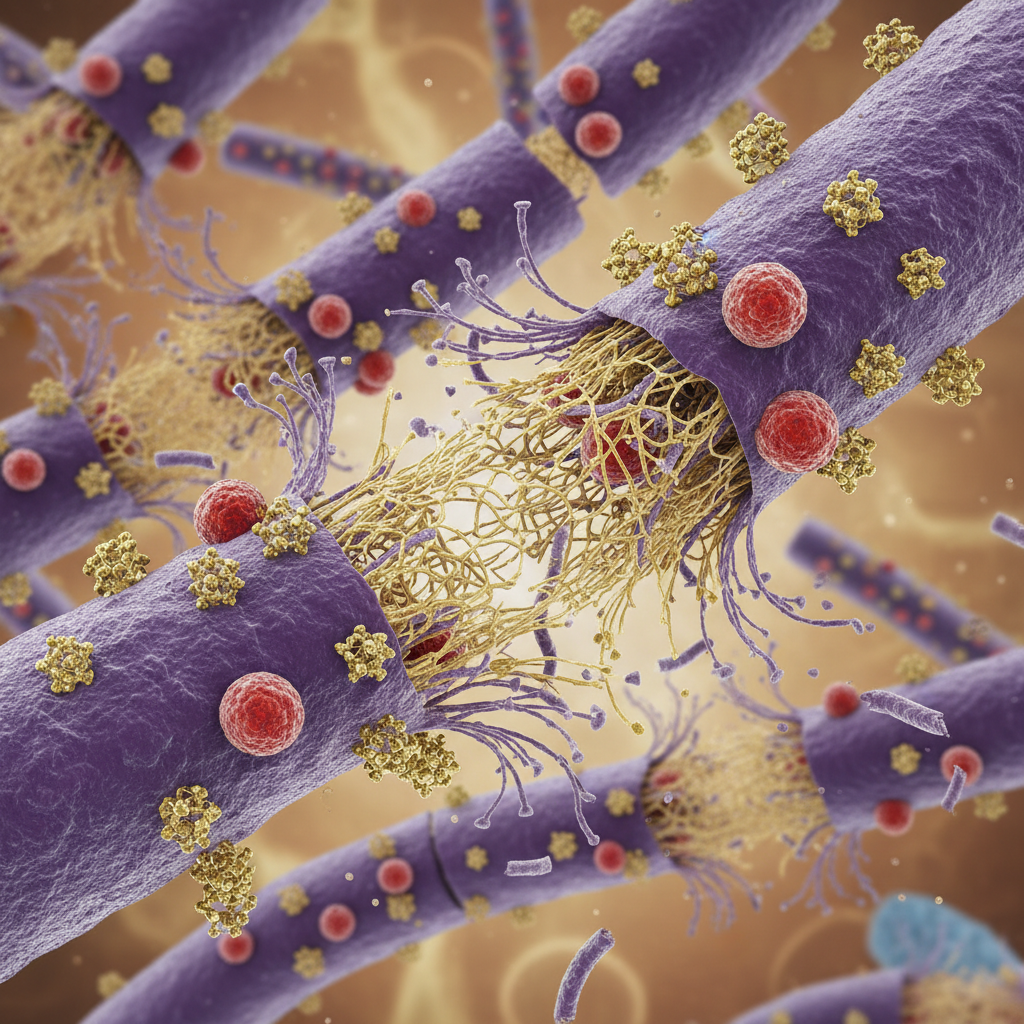
Cefotaxime sodium, a broad-spectrum cephalosporin antibiotic, is widely used for its effectiveness against a variety of bacterial infections. Its mechanism of action involves the inhibition of bacterial cell wall synthesis, which is crucial for maintaining cell integrity. By binding to specific penicillin-binding proteins (PBPs) on the bacterial cell membrane, cefotaxime disrupts the peptidoglycan layer formation, causing cell lysis and ultimately leading to bacterial death. This action is particularly effective against both gram-positive and gram-negative organisms, making it a versatile choice in clinical settings.
The therapeutic applications of cefotaxime sodium are extensive. It is commonly prescribed for infections such as pneumonia, meningitis, and urinary tract infections, among others. Given its ability to penetrate the central nervous system, it is especially useful in treating serious infections like bacterial meningitis, where timely intervention is critical. Additionally, cefotaxime is used in surgical prophylaxis to prevent infections post-operation, highlighting its important role in both acute and preventive care in various healthcare settings. Its spectrum of activity and efficacy demonstrate why cefotaxime sodium remains a staple in modern antibiotic therapy.
Recommended Dosage Guidelines: Optimizing Cefotaxime Sodium for Different Infections
When it comes to administering Cefotaxime Sodium, understanding optimal dosage guidelines is crucial for effective treatment across various infections. For adults, the typical dose ranges from 1 to 2 grams every 8 to 12 hours, with a maximum daily dose of 12 grams for severe infections. For instance, in cases of pneumonia or severe urinary tract infections, higher doses may be warranted to ensure adequate drug levels and combat resistant strains.
In pediatric patients, dosing is often based on body weight, typically at a rate of 50 to 180 mg/kg/day, divided into two to four doses. It is essential to adjust the dosage in children to prevent potential toxicity, especially in those with renal impairment. Monitoring kidney function is also critical, as impaired renal function can significantly affect Cefotaxime Sodium clearance, requiring dosage adjustments to avoid accumulation and adverse effects. By adhering to these guidelines, healthcare professionals can ensure that patients receive the most effective treatment while minimizing the risk of side effects.
Potential Side Effects of Cefotaxime Sodium: Incidence Rates and Management Strategies
Cefotaxime sodium, a third-generation cephalosporin antibiotic, is commonly used for the treatment of various bacterial infections. While it is effective, understanding its potential side effects is essential for safe and optimal use. The incidence rates of side effects associated with cefotaxime sodium vary, but common reactions include gastrointestinal disturbances such as
nausea,
vomiting, and
diarrhea, which occur in a notable percentage of patients.
Allergic reactions, although less common, can also manifest as skin rashes and, in severe cases, anaphylaxis.
Management strategies for these side effects focus on prevention and mitigation. For gastrointestinal issues, it is often recommended to take the medication with food to minimize discomfort. In cases of allergic reactions,
immediate discontinuation of the drug and appropriate medical intervention, such as antihistamines or corticosteroids, may be necessary. Regular monitoring and patient education about recognizing early signs of adverse reactions can help in swiftly addressing any complications that arise during treatment with cefotaxime sodium.
Drug Interactions with Cefotaxime Sodium: Key Considerations for Safe Administration
When administering cefotaxime sodium, it’s crucial to be aware of potential drug interactions, especially in vulnerable populations such as neonates in intensive care. Recent studies indicate a lack of compatibility data for intravenous therapies, highlighting the need for diligence in monitoring drug combinations when co-administered with parenteral nutrition. The interactions between cefotaxime and other medications can lead to altered pharmacokinetic profiles, potentially risking therapeutic failure or increased toxicity.
In a comparative review of cefotaxime and ceftriaxone, it was reported that both antibiotics exhibit similar efficacy but differ in their pharmacological attributes, making compatibility assessments critical in clinical settings. For instance, when administering cefotaxime in conjunction with parenteral nutrition in NICU, practitioners should ensure physical compatibility to mitigate risks and enhance patient safety during treatment.
**Tips:** Always consult a drug compatibility database when considering the co-administration of cefotaxime with other medications. Moreover, monitoring for signs of adverse effects can provide an early warning system for patients, particularly in settings where malnutrition and prolonged ICU stays are prevalent, as these factors can exacerbate treatment complications.
Top 10 Drug Interactions with Cefotaxime Sodium
This chart illustrates the ten significant drug interactions with Cefotaxime Sodium, showcasing their potential impact on treatment safety.
Monitoring Efficacy: Evaluating Patient Response to Cefotaxime Sodium Treatment
When administering Cefotaxime Sodium, it is crucial to monitor patient responses to ensure the treatment's efficacy. Regular assessment of clinical symptoms, including fever reduction, improvement in laboratory parameters, and overall patient well-being, provides valuable insights into how well the antibiotic is working. Healthcare professionals should keep detailed records of changes in symptoms and any side effects, which can help in making necessary adjustments to the treatment plan.
Additionally, laboratory tests play a significant role in evaluating the effectiveness of Cefotaxime Sodium. Blood cultures, renal function tests, and complete blood counts can guide clinicians in understanding the patient's progress. A lack of improvement after a few days may indicate resistant bacteria or the need for alternative therapy. It’s vital to involve patients in their treatment journey by discussing expected outcomes and encouraging them to report any new or worsening symptoms. This collaborative approach not only enhances monitoring but also empowers patients, helping ensure optimal use of Cefotaxime Sodium.